The top five sponsor brands gaining among FIFA World Cup fans in the U.S.
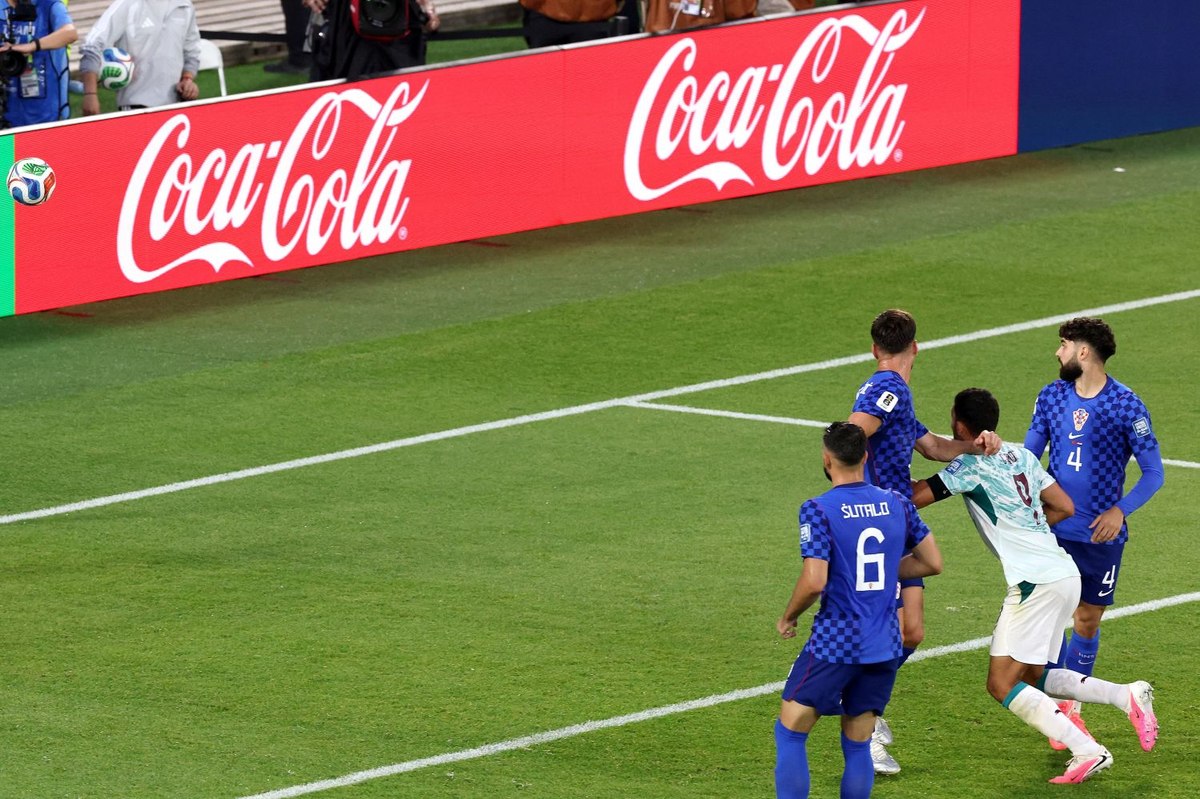
FIFA World Cup 2026, co-hosted by the U.S., Canada and Mexico, has proven to be especially popular among Americans in the early stages of the event. For brands and sponsors, the U.S. host market opportunity is significant: a growing soccer audience, a crowded media environment and a major live-sports moment where advertisers are competing to turn fan attention into measurable brand impact.New YouGov BrandIndex analysis looks at the sponsors gaining most among U.S. adults interested in the FIFA World Cup. The analysis compares the 18 days before the tournament began with the period after kick-off, calculating an Ad Impact Score based on changes in Ad Awareness, Buzz and Consideration, with extra weight given to Consideration.Five official brand sponsors stand out: Gap Kids, Coca-Cola, Pringles, Doritos and Cheetos. Together, they show how the strongest early gains are concentrated in categories that fit naturally into the tournament experience — what fans wear, drink and snack on while watching the FIFA World Cup.Gap Kids ranks first among the sponsor-linked brands in this analysis, with an Ad Impact Score of 43.8. The brand recorded an 11.3-point increase in Ad Awareness, a 9.4-point increase in Buzz and an 11.6-point increase in Consideration.Gap has an officially licensed FIFA World Cup collection that includes kids’ jerseys and football-inspired apparel. That gives the brand a clear role in the tournament without needing to compete directly with match-day food and drink brands. The campaign turns fandom into something families can wear — to school, watch parties, casual gatherings or game-day events.FIFA World Cup brand sponsor #2: Coca-Cola turns official status into impactCoca-Cola ranks second, with an Ad Impact Score of 40.6. The brand saw a 9.7-point increase in Ad Awareness, a 14.7-point increase in Buzz and an 8.1-point increase in Consideration.As a long-standing official FIFA partner, Coca-Cola has one of the clearest routes into the tournament. Its campaign activity spans the FIFA World Cup Trophy Tour, fan zones, host-city activations, limited-edition packaging and related promotional tie-ins.The strongest component of Coca-Cola’s lift is Buzz. That suggests the campaign is not only visible but is also generating positive conversation among U.S. FIFA World Cup fans.Pringles ranks third, with an Ad Impact Score of 39.8. The brand posted a 11.0-point increase in Ad Awareness, an 8.9-point increase in Buzz and a 10.0-point increase in Consideration.The brand’s FIFA World Cup link comes through Kellanova’s U.S. Soccer partnership and limited-edition soccer snack lineup. Its performance reinforces one of the clearer commercial themes around the tournament – snacks brands are a natural fit for sports sponsorships.Doritos ranks fourth, with an Ad Impact Score of 39.0. Its profile is different from Pringles, as the brand recorded a smaller 3.0-point increase in Ad Awareness — but a much larger 21.0-point increase in Buzz, alongside a 7.5-point increase in Consideration.That Buzz gain is the largest among the top five brands, indicating that Doritos is generating significant positive conversation among U.S. FIFA World Cup fans.Doritos is part of the Frito-Lay and Lay’s official FIFA World Cup sponsorship portfolio, giving it a direct route into tournament-led fan activations. The data suggests the brand’s campaign is working less through pure visibility and more through talkability — a valuable outcome in a crowded sponsorship environment.Cheetos ranks fifth, with an Ad Impact Score of 35.2. The brand recorded a 13.9-point increase in Buzz and an 11.1-point increase in Consideration, despite a slight decline in Ad Awareness.That pattern is notable. Even without an increase in reported ad exposure, Cheetos is gaining in the measures that point more directly to consumer response. Its Consideration lift is the second-highest among the top five brands, behind only Gap Kids.Like Doritos, Cheetos benefits from its place in the Frito-Lay and Lay’s official FIFA World Cup sponsor portfolio. Its performance adds to the evidence that snack brands are well positioned around the tournament.For a broader view of the brands gaining with U.S. FIFA World Cup fans – including sponsors, licensed partners and non-sponsor brands activating around the tournament – read our full analysis of the 48 brands seeing the biggest upticks during the FIFA World Cup.MethodologyThe rankings in this article are based on YouGov BrandIndex data collected among U.S. adults interested in the FIFA World Cup. The analysis compares two periods: the 18 days before the tournament began on June 11 and the period from June 11 to June 28.Brands were ranked using an Ad Impact Score, calculated as:Ad Awareness change + Buzz change + (Consideration change x 2)This formula is designed to identify brands gaining not only in visibility and conversation, but also in consumer consideration.Metrics used in this analysis:Ad Awareness: Which of the following brands have you seen an advertisement for in the past two weeks?Buzz: Over the past two weeks, which of the following brands have you heard something positive or negative about, whether in the news, through advertising, or talking to friends and family?Consideration: When you are in the market next to make a purchase, which brands would you consider?Scores are shown as point changes between the two comparison periods. Figures may be rounded. The five brands featured here are the top sponsor-linked brands in the attached analysis.

Most Popular


Novak Djokovic survives Wimbledon’s longest quarter
13 hours ago
2026 World Cup Round Of 16 Power Rankings
11 hours ago

'Tragic loss': Melbourne football player farewelled
11 hours ago
