'Made in China' products score big at FIFA World Cup
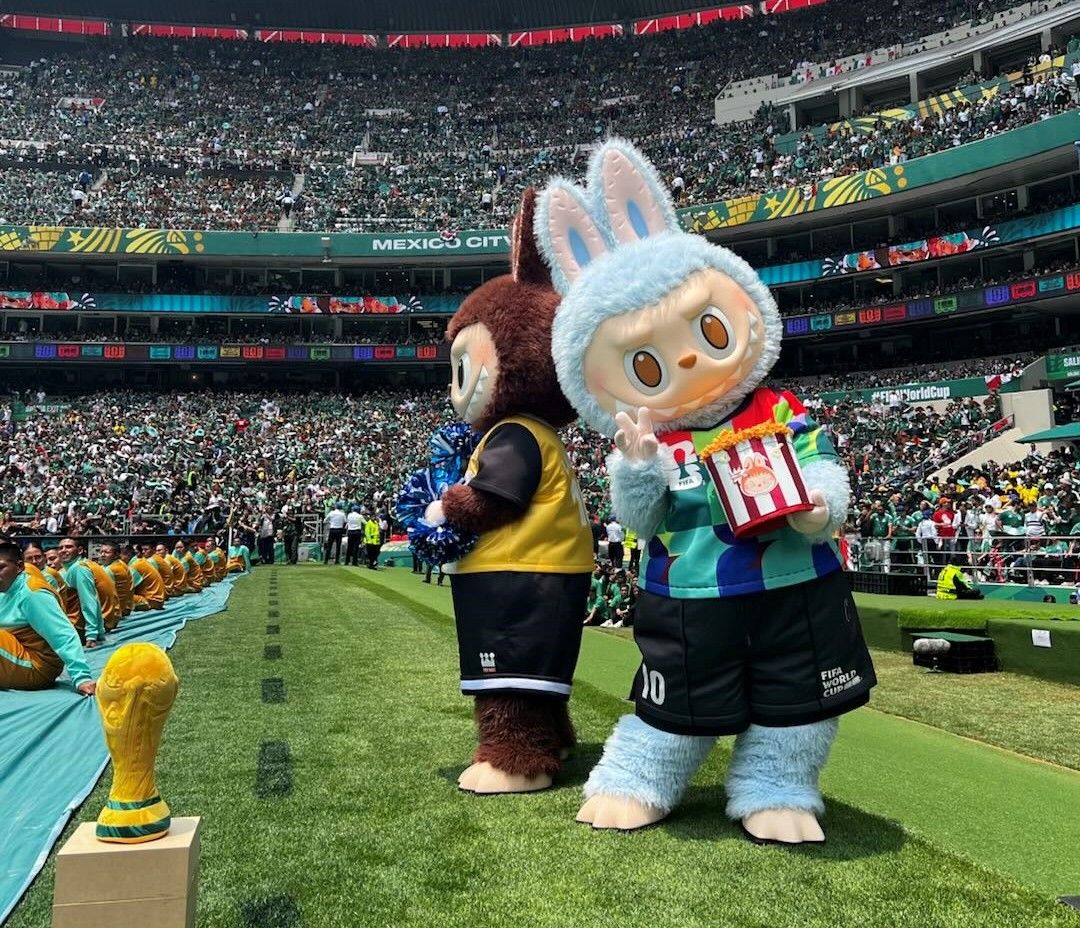
BEIJING: While China's football fans feel much disappointed that their national team isn't at the 2026 FIFA World Cup, the tournament is still packed with Chinese influence, with "Made in China" products visible almost everywhere on and off the pitch.Chinese products have long made their presence felt with football fans around the globe. As far back as 32 years ago, Chinese manufacturers were already supplying merchandise for the 1994 tournament in the United States. This time around, China's presence is more visible and far-reaching, showing up not only in athletic equipment and fan gear, but also in stadium facilities and even the cultural touches surrounding the event.At this year's World Cup, many Chinese companies are keeping a low profile — they have neither hired football stars for advertising campaigns nor staged eye-catching marketing activities.Mexico, one of the tournament's three host countries, offers a case in point. To better serve the World Cup, Mexico City's Estadio Azteca, which staged the opening match, has undergone a full-scale renovation. The overhaul, which has made the stadium more spacious and modern, was carried out by companies including China Railway Construction Engineering Group.Mexico City, Monterrey and Guadalajara are Mexico's three host cities. To support the World Cup, they have put into service 115 light-rail trains manufactured by CRRC, a Chinese rail transit equipment supplier. In Mexico City alone, 800 new-energy shuttle buses are operating to ferry fans between key venues, with 95 percent of them made in China.What makes Chinese products a backbone of World Cup infrastructure and operations is the country's manufacturing prowess. China has built the world's largest manufacturing system by scale, with the most comprehensive industrial categories. With a World Cup demanding everything from venue upgrades to transport and event services, this breadth enables Chinese manufacturers to supply a wide array of customised products to meet diverse needs.In addition to helping upgrade local infrastructure, Chinese companies are also widening their footprint at the World Cup by leveraging technological strengths to make the tournament smarter and more efficient. With the video assistant referee system playing a bigger role as the game gets faster and more complex, there's a growing demand for high-resolution, intelligent display and computing equipment.Against this backdrop, Chinese TV maker Hisense is supplying display devices for VAR, giving referees a clearer view of the on-pitch action. Chinese tech firm Lenovo is also providing equipment for 16 tournament stadiums, with its servers and artificial intelligence models deployed to support FIFA's technology and operational needs.These upgrades in the products offered by Chinese companies reflect the country's sustained commitment to making technological innovation a top priority in its development strategy. After years of efforts, China has emerged as a major global hub for innovation. The World Intellectual Property Organization's Global Innovation Index 2025 ranked China among the world's top 10 for the first time.At the opening ceremony, two Labubu characters in football jerseys ignited the celebrations by romping about and lifting a replica of the World Cup trophy, sparking excitement both in the stands and across social media.The fluffy, toothy figure, from Pop Mart's The Monsters franchise, appeared at the tournament's opening ceremony as a special guest, becoming the first Chinese original intellectual property to feature in a World Cup opening celebration.With Labubu as a prime example, a growing number of Chinese brands are betting on the interaction of culture and football at one of the world's biggest sporting events. Many are Chinese beverage makers, including Luckin Coffee and Cotti Coffee, which have struck partnerships with national teams such as Spain and Argentina. - China Daily/ANN



Most Popular

AFL 2026, Round 16 Report Card
9 hours ago



Cricket qualification system approved for LA28
2 hours ago