New broadcast deal could push NRL salary cap up to $20m by 2028
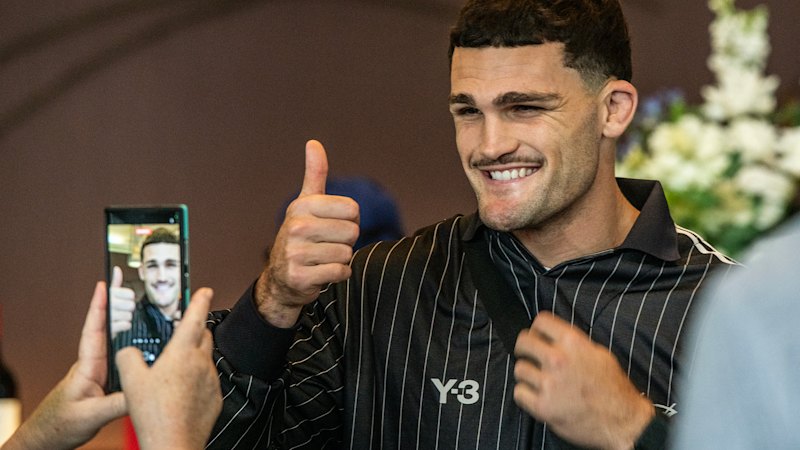
June 28, 2026 — 5:00amYou have reached your maximum number of saved items.Remove items from your saved list to add more.The new multibillion-dollar broadcast rights deal could push the salary cap as high as $20 million for 2028, paving the way for the NRL to crown its first $2 million-per-season player.The NRL is putting the finishing touches to a new rights agreement with Nine, the publishers of this masthead, and Foxtel. The deal, pending the approval of the Australian Rugby League Commission and its clubs, is estimated to be worth north of $5 billion over seven years, making it the most lucrative in Australian sports history.The result will be more money flowing into the game, which will benefit the clubs, help propagate grassroots football and provide head office with more investment for the code. However, the biggest winners will be the players, who receive about 41 per cent of forecasted revenue.The total salary cap that teams get to spend on their top-30 roster for this year is $11.95 million, with the figure rising to $12.1 million for 2027. Sources speaking on the condition of anonymity because the broadcast deal isn’t finalised have told this masthead the cap could rise to $18-$20 million in 2028, the first year of the new broadcast agreement.AdvertisementThat could see the average top-30 wage of just under $400,000 jump to as much as $666,000 per annum, with the superstars of the game likely to be the biggest beneficiaries of the pay bump.Knowing a rich new TV deal will come into effect in 2028, most player managers have shrewdly timed it so that their highest-profile clients are free agents at that time so they can cash in.At Penrith alone, marquee men Nathan Cleary, Isaah Yeo, Liam Martin, Brian To’o, Moses Leota, Mitch Kenny, Isaiah Papali’i, Blaize Talagi and Paul Alamoti can begin negotiating with rival clubs if they haven’t been re-signed by November 1.Other big names who will be free agents – should they not recommit to their incumbent clubs earlier – include Hudson Young, Jacob Preston, Matt Burton, Hamiso Tabuai-Fidow, Selwyn Cobbo, Tom Trbojevic, Cameron Munster, Bradman Best, Latrell Mitchell, Sam Walker, James Tedesco and Samuela Fainu.AdvertisementPanthers halfback Cleary, arguably the game’s best player, is yet to recommit to the club and can test his value on the open market on November 1 if he hasn’t signed a new deal by then. Should he leave the foot of the mountains, Cleary could become the first player to crack the $2 million-per-season barrier. Dolphins No.7 Isaiya Katoa is another earmarked for a big payday at the completion of his current contract, at the end of 2028.The introduction of new teams – Perth in 2027 and PNG the following year – will add further inflationary pressures to the player market. In the case of the Chiefs, they have the added lure of tax-free status, while consideration is being given to adding a 20th franchise – most likely in New Zealand or Queensland – as early as 2029.While some critics baulked at the size of the 10-year, $13 million deal tabled by Newcastle to secure Dylan Brown, that investment could prove to be the minimum required to secure big names when the market factors in the new broadcast deal, and the rise in salary cap that comes with it.The pending broadcast deal, would run until the end of 2034 and be more lucrative than the $4.5 billion, seven-year deal secured by the AFL in 2022, is set to be rubber-stamped at a meeting of the ARLC on Wednesday. It must then be ratified by representatives of the clubs, comprising South Sydney chairman Nick Pappas, North Queensland Cowboys boss Lewis Ramsay and Manly owner Scott Penn.It’s expected the deal will be officially trumpeted well before NRL CEO Andrew Abdo departs on July 15, to take up the chief executive role at Tennis Australia.AdvertisementThe appetite for elite sporting content remains strong, despite an increasing fragmentation of the media market. State of Origin II was the highest-rating interstate game of all time, while the decision to stage opening-season games in Las Vegas has resulted in a ratings spike locally.The NRL had flagged the prospect of launching a global round, but conflicts abroad have put those negotiations on hold. Instead, the governing body will likely seek to continue to take games to Las Vegas after the current five-year deal expires.News, results and expert analysis from the weekend of sport sent every Monday. Sign up for our Sport newsletter.You have reached your maximum number of saved items.Remove items from your saved list to add more.More:NRL 2026Broadcast rightsAdrian Proszenko is the Chief Rugby League Reporter for The Sydney Morning Herald.Connect via X or email.
Most Popular

Algeria v Austria: World Cup 2026 - live
21 minutes ago