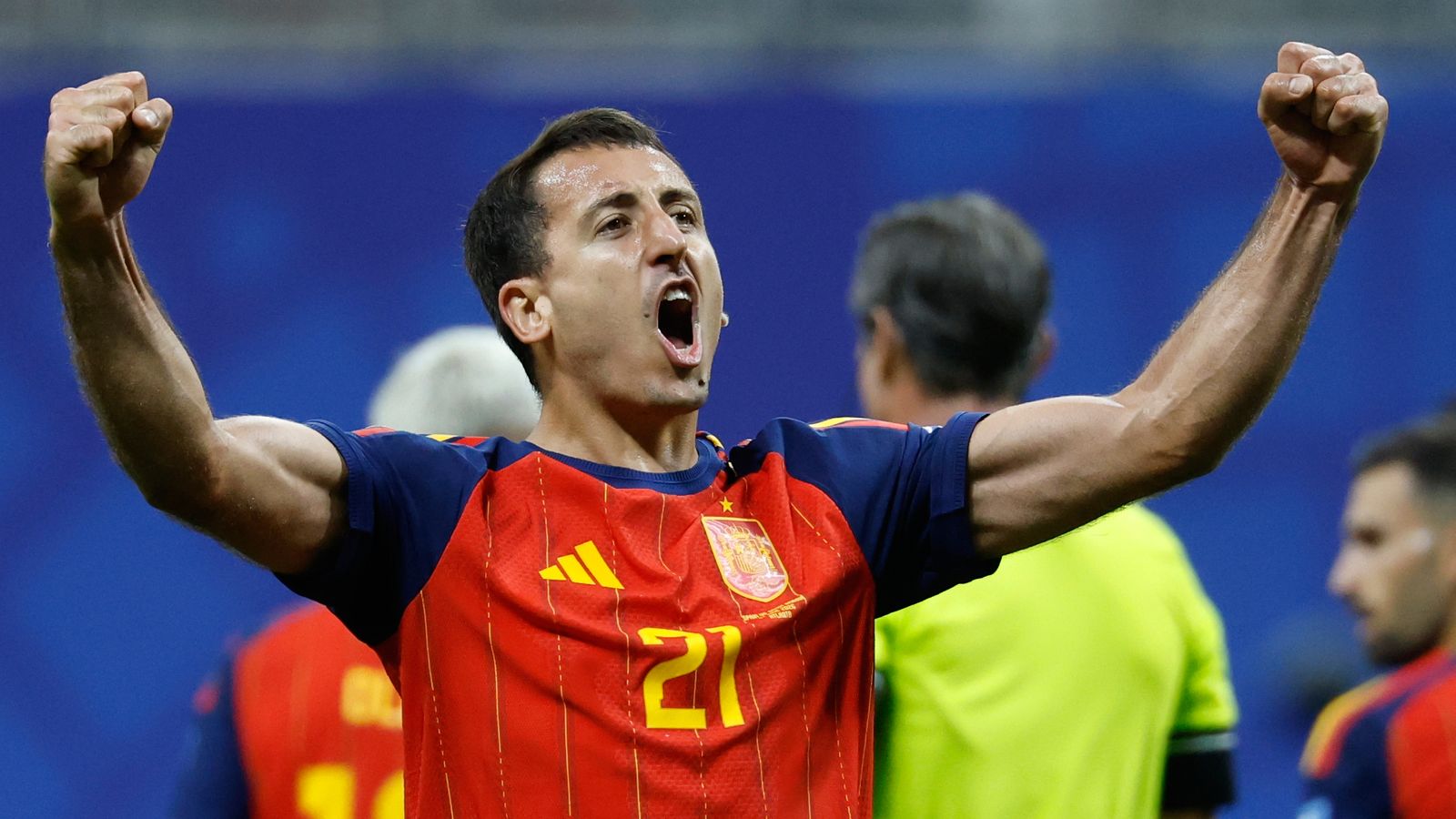
Germany handed major World Cup blow as star player ruled out for tournament
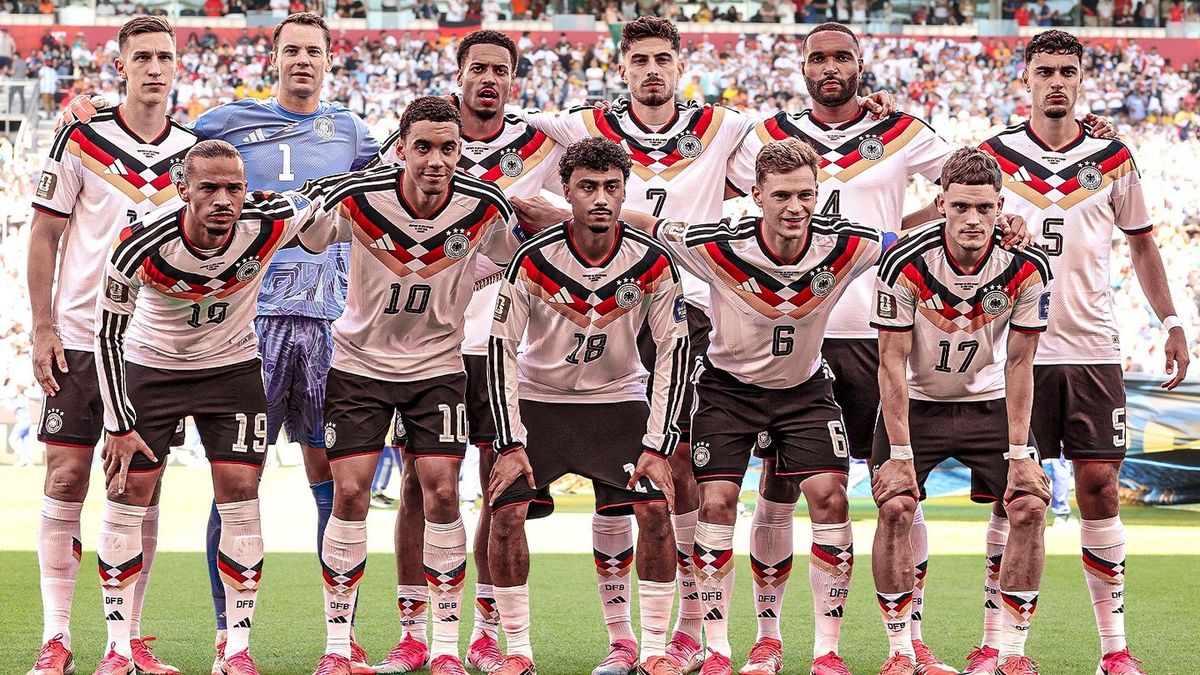
Germany defender Nico Schlotterbeck has been ruled out for the rest of the World Cup after reportedly sustaining a torn ligament in his left ankle during Germany’s 2-1 win over Ivory Coast on Saturday (June 20).Schlotterbeck, who plays his club football for Bundesliga side Borussia Dortmund, started both Germany’s 7-1 win over Curaçao and their last-gasp 2-1 victory over Ivory Coast.However, he was withdrawn at half-time of the latter after being seen grimacing late in the first half.According to Sky Germany, the centre-back underwent an MRI scan on Sunday (June 21), which revealed the extent of the injury. The results showed he had suffered a torn medial collateral ligament.READ NEXT: 11 hard-to-believe records and landmarks that have already been achieved at the World CupSchlotterbeck is expected to miss at least two months of football. Real Madrid defender Antonio Rüdiger is likely to replace him in Julian Nagelsmann’s starting XI for Germany’s match against Ecuador on June 25.Germany have already qualified for the round of 32 ahead of their final group match against the South Americans.Can Germany call up a Schlotterbeck replacement?No. World Cup squads could only be changed up to 24 hours prior to the start of the respective nation's opening match, which was the case for England when Trevoh Chalobah replaced Tino Livramento ahead of the Three Lions' opener against Croatia.As Germany have already played two matches, their squad is now locked for the rest of the World Cup, regardless of any serious injuries. No outfield players can be replaced, although FIFA's rules are different for goalkeepers, who can be replaced should they drop out of the tournament due to injury or medical reasons.FIFA’s official 2026 World Cup regulations state: "A player listed on the final release list may be replaced by a player from the provisional release list only in the event of a serious injury or illness, up until 24 hours before the kick-off of their team’s first match in the FIFA World Cup 26. Any exceptions must be approved by FIFA. The replacement shall be nominated by the Participating Member Association, which shall inform FIFA accordingly."Upon receipt and acceptance of a detailed written medical assessment in one of FIFA’s official languages, the FIFA Medical Committee, represented by the FIFA Tournament Medical Lead, will determine whether the injury or illness is sufficiently serious to prevent the player from taking part in the FIFA World Cup 26."Injured players who are replaced shall return their accreditation to FIFA. Accordingly, players who have returned their accreditation shall no longer be considered members of the Participating Member Association’s final release list. The replacement player must be assigned the shirt number of the injured player being replaced."On goalkeepers, the regulations add: "A goalkeeper listed on the final release list may be replaced by another goalkeeper from the provisional release list only in the event of serious injury or illness, at any time during the final competition. Any exceptions must be approved by FIFA."The replacement shall be nominated by the Participating Member Association, which shall inform FIFA accordingly. Upon receipt and acceptance of a detailed written medical assessment in one of the official FIFA languages, the FIFA Medical Committee, represented by the FIFA Tournament Medical Lead, will ascertain whether the injury or illness is sufficiently serious to prevent the goalkeeper from taking part in the FIFA World Cup 26. Injured goalkeepers who are replaced must return their accreditation to FIFA. Accordingly, goalkeepers who have returned their accreditation shall no longer be considered members of the Participating Member Association’s final release list."

Most Popular



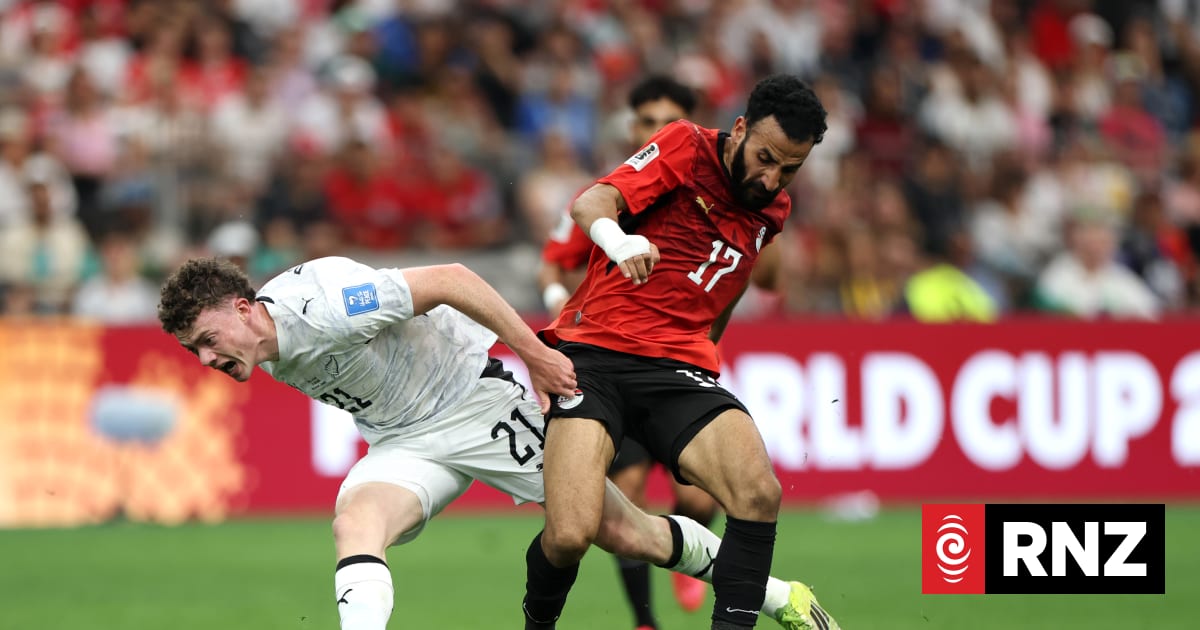
Football World Cup: All Whites go down 1-3 to Egypt
11 hours ago