
Sehwag smashed 146, Dilshan replied with 160: The forgotten 825-run ODI thriller that was decided on the last ball

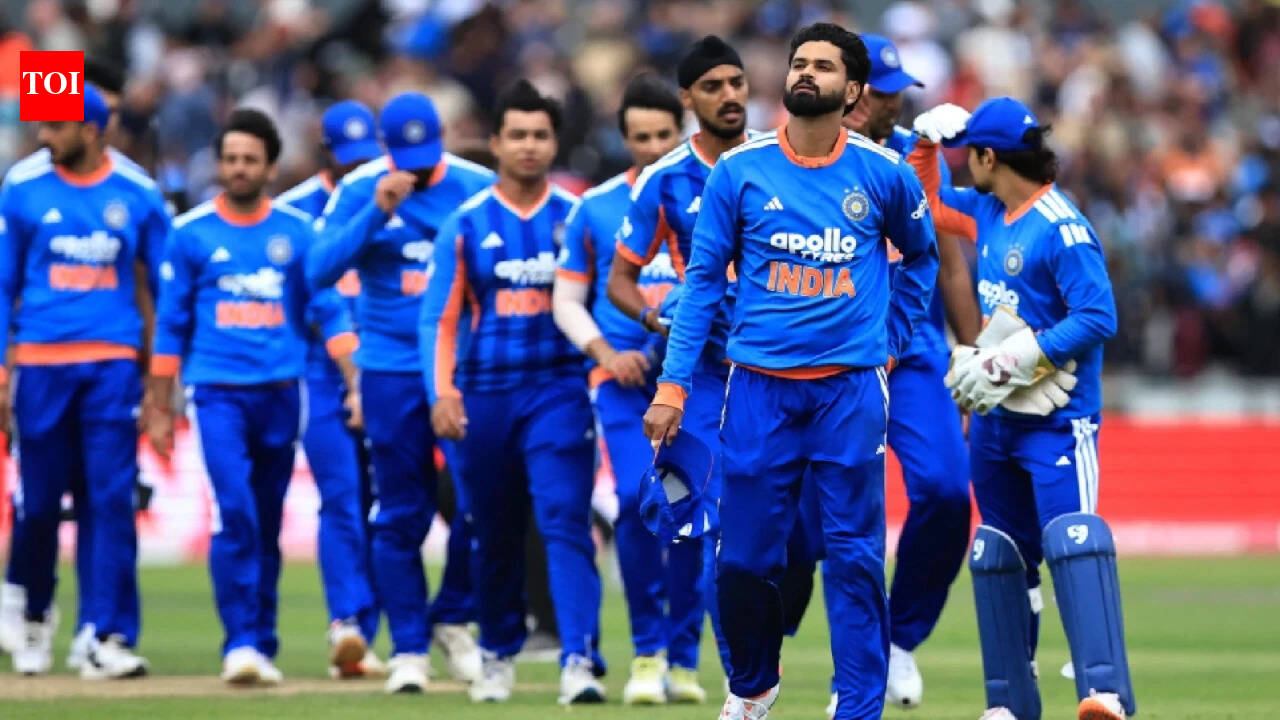
Some matches become immortal almost immediately. Australia’s 434 and South Africa’s 438 at Johannesburg in 2006 remains one of ODI cricket’s defining games, recalled every time a team threatens an enormous chase. Three years later, however, India and Sri Lanka produced something nearly as outrageous in Rajkot, only for it to gradually disappear from the wider conversation.India scored 414 for seven. Sri Lanka replied with 411 for eight, leaving just three runs between the teams after 100 overs and 825 runs. Virender Sehwag smashed 146, Tillakaratne Dilshan answered with 160, Kumar Sangakkara blasted 90 from only 43 balls, and a target of 415 remained alive until the final delivery.More than 16 years later, the 825 runs scored in Rajkot remain the second-highest match aggregate in men's ODI history. Only the famous Australia-South Africa classic at Johannesburg in 2006, which produced 872 runs as South Africa chased down 435, sits above it.Sehwag sets Rajkot on fireSri Lanka captain Sangakkara won the toss and elected to field in the opening ODI of the five-match series on December 15, 2009. India were without Yuvraj Singh because of a finger injury, while Sri Lanka were missing Muttiah Muralitharan and Lasith Malinga, but nobody could have anticipated just how badly the bowlers would suffer.Sehwag and Sachin Tendulkar immediately launched India forward. Tendulkar made 69 from 63 balls, hitting 10 fours and a six, while Sehwag attacked with the kind of violence that defined him at his peak as the pair put on 153 for the opening wicket. Tendulkar’s dismissal brought MS Dhoni to the crease, but Sri Lanka received no respite. Sehwag and Dhoni added another 156 for the second wicket, taking India beyond 300 before Sehwag finally departed for 146 from 102 deliveries, an innings containing 17 fours and six sixes.Dhoni followed with 72 from 53 balls, while Virat Kohli contributed 27 from 19 and Ravindra Jadeja finished unbeaten on 30 from 17. India closed on 414 for seven, surpassing the 413 for five they had made against Bermuda at the 2007 World Cup to register their highest ODI total at the time. In 2009, 415 was supposed to be a target that effectively ended a contest. Sri Lanka spent the next three and a half hours making India wonder whether even that was enough.Dilshan turns 415 into a real chaseDilshan took a little time to get moving, but once he settled, India’s bowlers were dragged into the same kind of punishment Sri Lanka had just endured. Alongside Upul Tharanga, he added 188 for the opening wicket in only 24 overs and ensured that the required rate never completely escaped Sri Lanka.Tharanga made 67 from 60 balls before being stumped off Suresh Raina, but Sangakkara arrived and immediately pushed the chase into another gear. The Sri Lanka captain raced to fifty from 24 deliveries and eventually hammered 90 from 43 balls, with 10 fours and five sixes. Dilshan and Sangakkara added 128 for the second wicket. By the time Sangakkara fell, Sri Lanka were 316 for two in the 37th over, and what had initially looked like an impossible chase had become frighteningly realistic.Harbhajan Singh finally gave India a route back. He dismissed Sanath Jayasuriya and then produced the enormous wicket of Dilshan, bowling him for 160 from 124 balls after an innings containing 20 fours and three sixes. Mahela Jayawardene was run out soon afterwards as Sri Lanka slipped to 345 for five. Having been 316 for two, they suddenly appeared to have surrendered the momentum, but Angelo Mathews and Thilina Kandamby refused to let the chase die.Tendulkar helps India survive the final assaultMathews and Kandamby added 56 for the sixth wicket and took Sri Lanka to 401. With only 14 required from the final 10 deliveries, India were once again staring at the possibility of losing after posting more than 400.Kandamby was run out at 401 for six after Tendulkar’s throw was collected by Zaheer Khan, while Thilan Samaraweera was also run out before the 49th over ended. Sri Lanka entered the final over on 404 for seven, needing 11 to complete one of the greatest chases the format had ever seen.Ashish Nehra was given the responsibility despite having endured a difficult run with the ball. Mathews kept Sri Lanka alive and moved them to 409, but on the fourth delivery of the over he tried to put away a low full toss and failed to clear Tendulkar at midwicket. That left Sri Lanka 409 for eight. They still managed to keep the contest alive until the last ball, when they required five to win and four to tie, but Nuwan Kulasekara could take only a single as Sri Lanka finished on 411 for eight.India had survived by three runs. Nehra ended with figures of one for 81 from his 10 overs, while Zaheer Khan had conceded 88 without taking a wicket, underlining just how unforgiving the Rajkot surface had been for bowlers. Sehwag was named Player of the Match for his 146, but reducing Rajkot to one great innings misses what made it extraordinary. The match produced two scores above 145, Sangakkara’s 90 from only 43 balls, four partnerships worth more than 125 runs and a chase of 415 that remained alive until the final delivery.India made 414 for seven, Sri Lanka replied with 411 for eight, and after 100 overs and 825 runs, only three separated the teams. More than a decade and a half later, only one men’s ODI has ever produced more runs. Rajkot 2009 deserves far more than being another old scorecard buried in the archives; it remains one of ODI cricket’s great forgotten classics.

Most Popular





Troy University Athletics
2 hours ago

Bemidji State University
1 hour ago