Mourinho's first words as Real Madrid's new coach: "I am here to help the players, the team and the club; not to criticize"
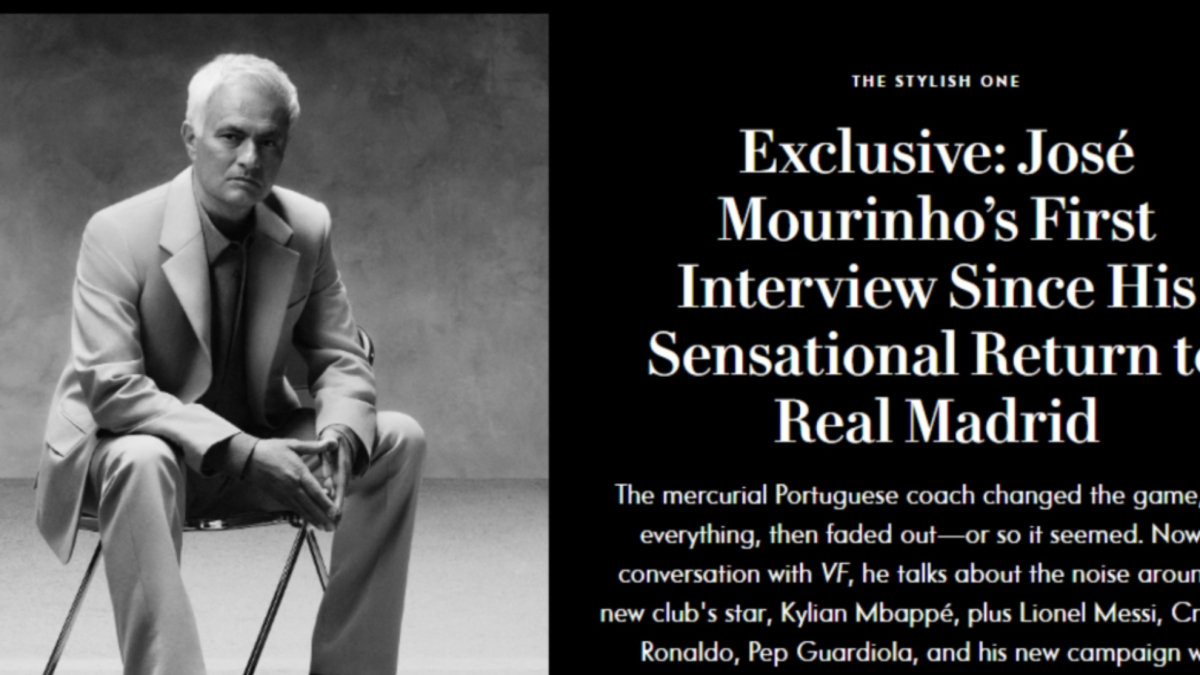
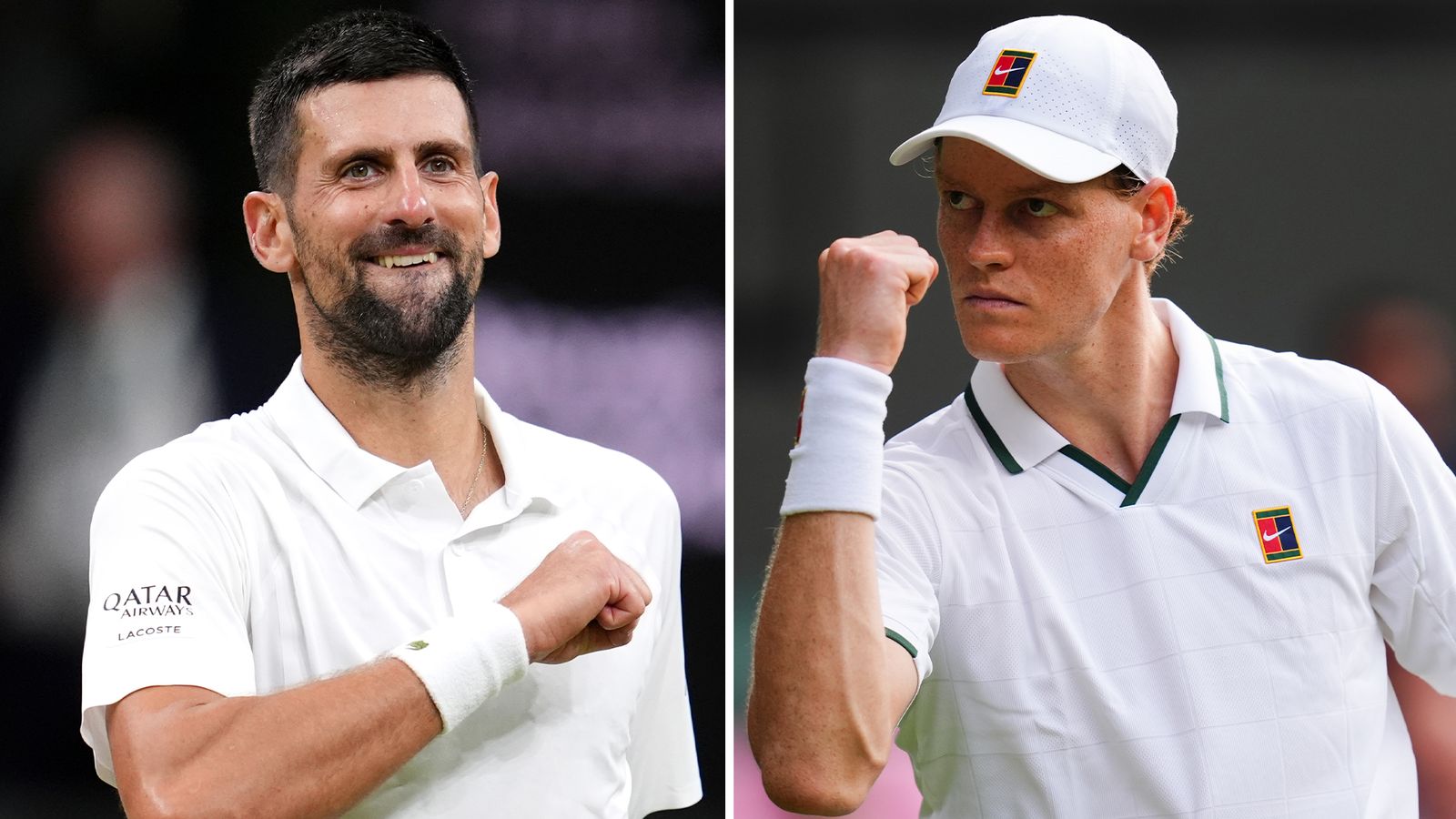
José Mourinho has returned to Real Madrid, and with him also returns a way of understanding football that never left anyone indifferent. The club made official on June 11, 2026 his appointment as head coach of the first team for the next three seasons, until June 30, 2029, and the Portuguese coach will join on July 13, coinciding with the start of pre-season. His first major interview since that return, granted to Vanity Fair, serves as a portrait of a different Mourinho in tone, more measured, less incendiary, but identical at heart: competitive, proud, and convinced that football is explained, above all, by victory.The history of Real Madrid cannot be compared to anyone else'sMourinho en Vanity FairWhen we talk about Real Madrid, we talk about football history and heritageThe Mourinho who in 2004 introduced himself to the world as The Special One now appears willing to tone down the ego without giving up authority. “I don't want to say that I was ‘the chosen one.’ I was one of them,” he says in the interview, as if the passage of time had smoothed his public edge without touching the backbone of the character. The coach who conquered England from the press conferences, who turned every big match into a psychological battle, and who challenged the most powerful Barça from the Inter bench and later from the Madrid bench, returns to the place where his figure took on the dimensions of a novel.What has made Real Madrid great is not only its players, but its titles and its historyMourinho en Vanity FairHis explanation of Real Madrid is pure sentimental mourinhismo. He is not only talking about players or stars. He is talking about weight, the badge, memory. “The history of Real Madrid cannot be compared with anyone else,” he states. And he adds one of those lines that make headlines: “The white shirt has something magical.” For Mourinho, Madrid is not merely a collection of proper names, but an institution built on titles. “When we talk about Real Madrid, we talk about the history and heritage of football,” the Portuguese sums up.Mbappé is a phenomenal player and I’m going to try to help him become even betterMourinho en Vanity FairAt this new stage, one of his biggest challenges will be Kylian Mbappé. The Frenchman has lived with the noise despite his goal-scoring numbers, and Mourinho is not looking for confrontation. On the contrary: he asks for calm, observation and dialogue. “It’s not the time to talk, it’s the time to listen,” he says. The Portuguese coach assures that he needs to get to know from the inside what until now he has only seen from the outside. “I am here to help, not to criticize,” he explains before leaving a clear statement about his new star: “Mbappé is a phenomenal player and I am going to try to help him become even better.”There is also a Mourinho who looks back, especially to those Clásicos that split football in two. Guardiola on one side, him on the other. Messi and Cristiano on the pitch. Madrid and Barça turned into a global affair. “The world stopped for those matches,” he recalls. For Mourinho, that has not happened again on the same scale. “It wasn’t just Madrid and Barcelona, or just Spain. It was the world,” he says about a rivalry he compares to the great tennis duels between Nadal, Federer and Djokovic.There is an absurd theory: that you can be great without winningMourinho en Vanity FairThe Portuguese does not deny his blaugrana past. He remembers his years at Barcelona alongside Bobby Robson, Guardiola and Luis Enrique with familial and professional affection. Part of his children were born there and that is where he began to develop as an elite coach. But fate, he says, placed him on the opposite side. “I have no bad feelings toward Barcelona,” he clarifies. And then he offers another phrase with a clásico aroma: “I enjoy playing against the best, because the best force you to be better.”Where Mourinho does not give an inch is in the old debate about style. He has been called defensive, results-driven, pragmatic, or even an enemy of a certain aesthetic idea of football. His answer remains the same: winning is the essence of sport. “There is an absurd theory: that you can be great without winning,” he fires. And he concludes: “In sport, the objective is to win.” In his defense, he recalls his Real Madrid team from the 2011-12 season, that side with 100 points and 121 goals. “How defensive was that team?” he asks himself.'Mourinho also lays claim to the Champions semifinal with Inter against Barça. He does not accept that everything be reduced to the heroic resistance with ten men at Camp Nou. He recalls that, a week earlier, his team had won 3-1. Even so, he proudly embraces that dogged defensive display against the best team in the world. In his account, that was not anti-football, but survival, know-how, and competitive greatness.'How defensive was that Real Madrid that scored 121 goals and earned 100 points?Mourinho en Vanity FairLooking to the futureThe interview also leaves a reflection on his own figure. Mourinho knows that he helped turn the coach into a protagonist. Before him, the spotlight almost always belonged to the footballers. With him, the dugout also began to sell front pages. But now he qualifies it: “I never wanted to be more important than my players.” Charisma, he insists, is not born from posing. “Charisma cannot be bought at the supermarket,” he says. For Mourinho, authority is earned by working well: coaching, leading, preparing matches, and convincing the dressing room.
Most Popular