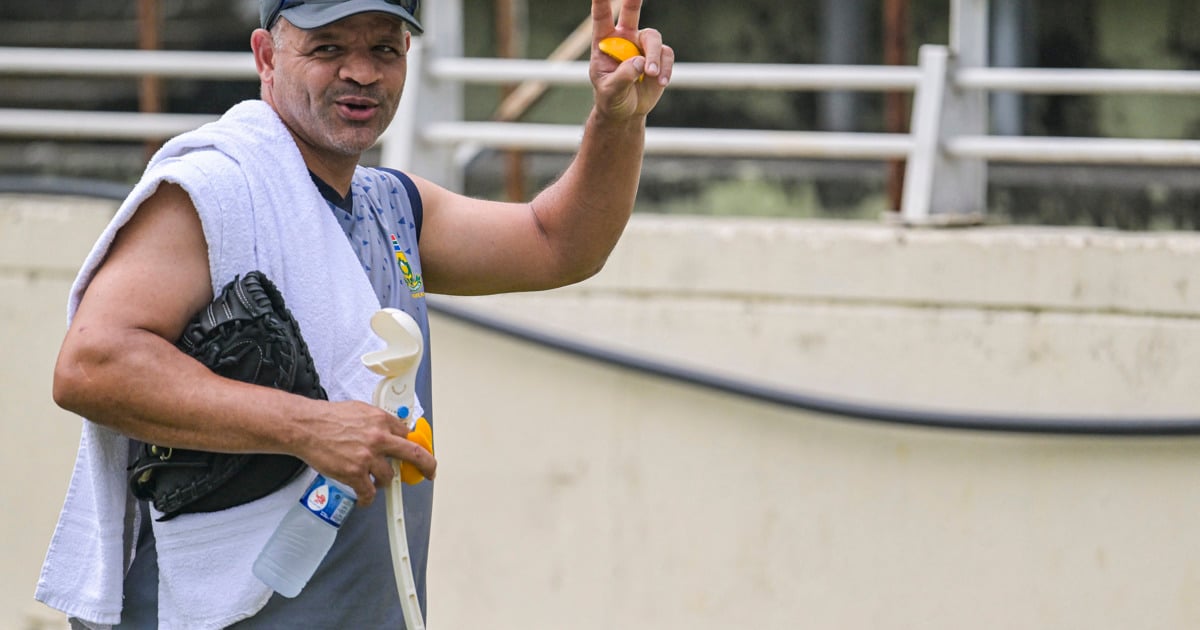
Ajinkya Rahane's retirement revived a timeless Indian cricket story: Greatness that flourished in somebody else's shadow
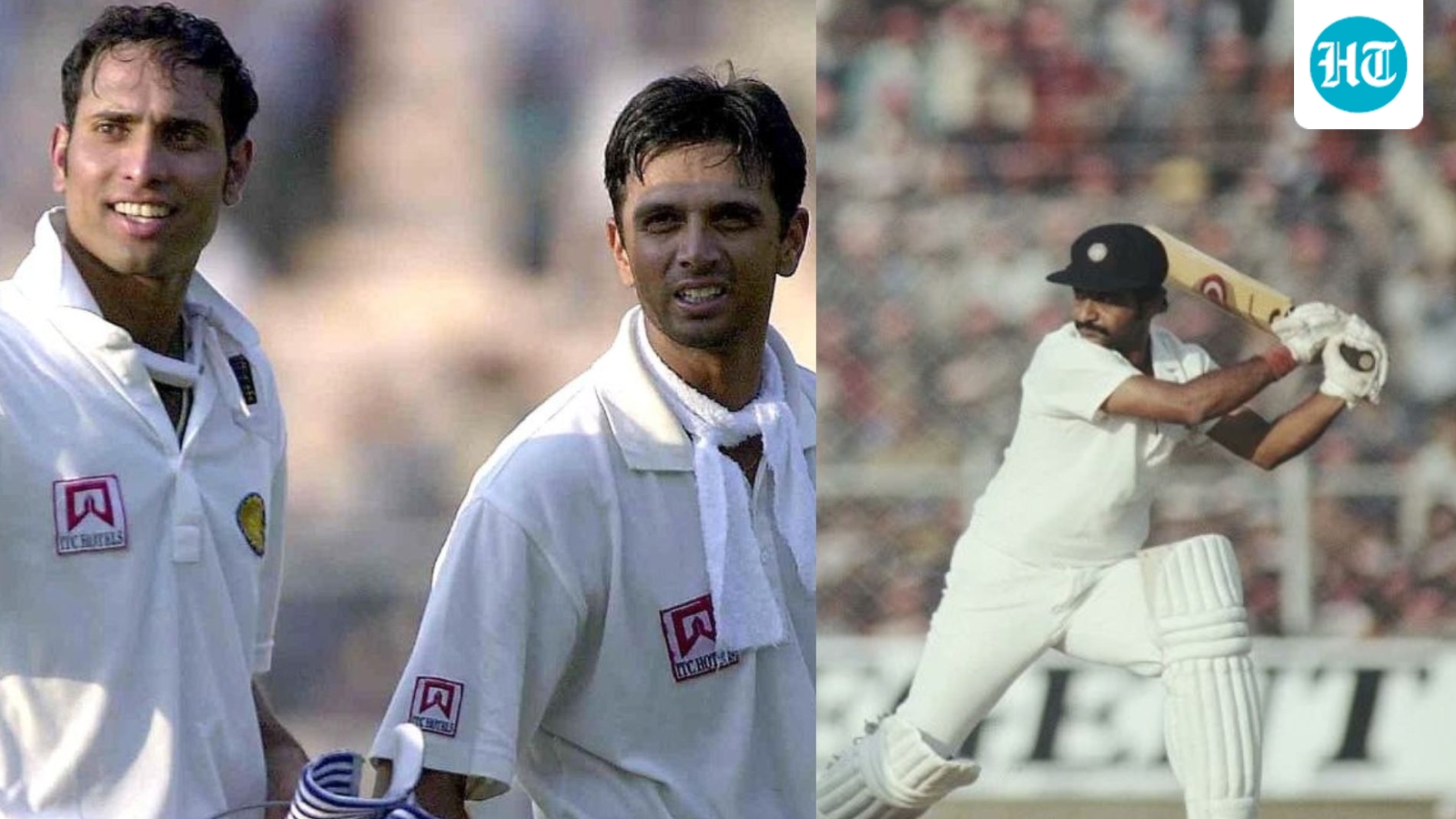
Ajinkya Rahane’s retirement brought back memories of Melbourne, the Border-Gavaskar Trophy and one of Indian cricket’s greatest acts of recovery. After India were dismissed for 36 in Adelaide and Virat Kohli returned home, Rahane took charge of a depleted side. His century in the second Test changed the series, while his calm leadership helped India complete a historic 2-1 triumph in Australia.Yet the achievement remained permanently attached to the larger Kohli era. Rahane received admiration, but he never became the central figure in the story of the team he briefly led so brilliantly.His career belonged to a familiar tradition in Indian cricket: accomplished players whose contributions were respected but frequently overshadowed by the superstars around them.These players were not necessarily underrated. Most were recognised as greats. But recognition is different from owning an era. Indian cricket’s public memory is usually built around one irresistible personality, leaving several indispensable figures standing just outside the brightest light.His 233 and unbeaten 72 in Adelaide in 2003 remain among the finest match-winning performances by an Indian abroad. He also produced defining innings at Headingley, Rawalpindi, Kingston and Johannesburg.But Dravid played almost his entire career inside the Sachin Tendulkar phenomenon. Tendulkar’s innings were national events. His centuries became public celebrations, and his dismissals altered the country's mood. Dravid, meanwhile, was presented as the dependable man around whom others could express themselves.Even his nickname, “The Wall”, reduced his range. Dravid was not merely someone who survived. At his best, he controlled attacks, changed matches and won Tests.Tendulkar owned the imagination of the era. Dravid performed much of its essential labour.There was the 167 in Sydney, the unbeaten 73 during the one-wicket victory in Mohali and numerous partnerships with the lower order after India’s more celebrated batters had failed.Yet Laxman occupied a batting order containing Tendulkar, Dravid, Sourav Ganguly and Virender Sehwag. Tendulkar was the genius, Dravid the great accumulator, Ganguly the transformative captain and Sehwag the revolutionary. Laxman became the crisis artist - admired for his elegance but summoned most memorably when the team was collapsing.His greatest strength was not simply beauty. It was his composure amid chaos.Also Read: Ajinkya Rahane challenges Vaibhav Sooryavanshi after lukewarm start to India career: ‘International cricket is not IPL’He was not a romantic leg-spinner in the Shane Warne mould. Kumble relied on pace, bounce, accuracy and relentless intelligence. Batters often knew what was coming and still could not stop him. His courage was equally remarkable. The sight of him bowling with a bandaged jaw in Antigua and dismissing Brian Lara became a symbol of his competitive character.But Kumble belonged to an age dominated culturally by Tendulkar and publicly by India’s celebrated batting order. India’s greatest bowler was indispensable without ever becoming the defining image of his generation.During India’s first Test series victory in Australia in 2018-19, Pujara scored 521 runs, made three centuries and faced 1,258 deliveries. He wore down Australia’s bowlers until their plans, bodies and patience began to weaken. At Brisbane two years later, he absorbed repeated blows while making 56 from 211 balls in India’s chase of 328. Rishabh Pant produced the spectacular finish, but Pujara ensured India remained alive long enough for it to happen.Kohli represented the ambition of India’s overseas revolution. Pujara repeatedly created the conditions in which that ambition became reality.Standing beside him was Gundappa Viswanath. Viswanath scored 6,080 Test runs and 14 centuries. India never lost a Test in which he reached three figures. He was renowned for his square cut and wristwork, but his elegance sometimes concealed the courage beneath it.His unbeaten 97 against the West Indies in Chennai came on a difficult surface against a hostile attack. His 114 at Melbourne helped India secure one of their most memorable overseas victories. Gavaskar became the monument of the age. Viswanath was remembered as the artist, even though many of his finest innings were built as much on resilience as beauty.Yet Vengsarkar occupied an awkward place in history. His career began in the Gavaskar era, overlapped with Kapil Dev’s rise and ended after Tendulkar had arrived. Gavaskar was the foundational batting hero. Kapil was the charismatic World Cup-winning captain. Tendulkar represented the future. Vengsarkar was the elite No.3 connecting those eras without becoming the face of any of them.He contributed with bat and ball in the semi-final against England before scoring 26 and taking three wickets in the final against the West Indies. He was named Player of the Match in both games.Amarnath was also one of India’s bravest batters against high-quality pace. During the 1982-83 tours of Pakistan and the West Indies, he scored heavily against attacks led by Imran Khan and the Caribbean fast bowlers. Yet Kapil became the symbol of 1983, as captain and the country’s greatest all-rounder. Amarnath, despite deciding both knockout matches, remained part of the supporting cast.That is the recurring pattern. These players were not forgotten, but they were rarely allowed to define their eras. Gavaskar’s India also needed Viswanath and Vengsarkar. Kapil’s World Cup required Amarnath. Tendulkar’s generation needed Dravid, Laxman and Kumble. Kohli’s overseas revolution required Pujara.Indian cricket’s history shines brightest around its superstars. Just outside that light stand the men who made many of their greatest stories possible.

Most Popular


Chwalińska loses Beijing WTA 1000 doubles match
6 hours ago