Agony for Bielsa, ecstasy for the rest

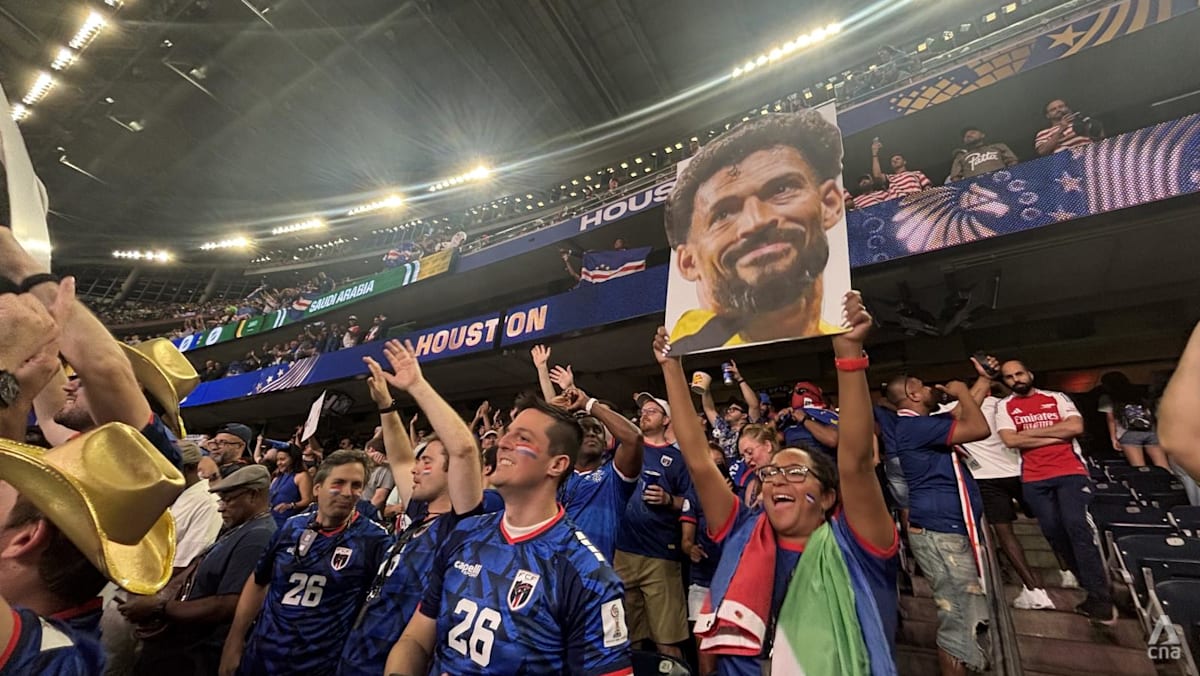
At the 2026 FIFA World Cup, Argentine coaching influence became one of the defining subplots of the tournament. Six teams were led by Argentine managers--a record in World Cup history--and five of them progressed to the knockout rounds. Only one endured early elimination, turning a story of shared excellence into a striking contrast between collective success and individual disappointment.The most symbolic figure in this divide was Marcelo Bielsa. Long regarded as one of football’s most influential thinkers, Bielsa entered the tournament with Uruguay carrying high expectations. A squad built around Federico Valverde, Rodrigo Bentancur, Manuel Ugarte, and Darwin Nunez was expected to advance comfortably in a 48-team format.Instead, Uruguay never found stability. Draws against Saudi Arabia and debutants Cape Verde left them under pressure, and a narrow 1–0 defeat to Spain confirmed elimination without a single win.It marked a shocking outcome for a two-time world champion in a group stage designed to be forgiving. Reports of internal tension, including concerns over Bielsa’s intense training methods and tactical demands, added to the sense of collapse.For a coach whose philosophy has shaped generations of managers, the exit was a stark reminder of football’s unpredictability.Elsewhere, however, Argentine influence translated into success.Lionel Scaloni continued to cement his legacy. Once underestimated after replacing Jorge Sampaoli, Scaloni has rebuilt Argentina into a balanced, disciplined powerhouse. After winning the 2022 World Cup and consecutive Copa America titles, he guided Argentina to another strong group-stage performance, finishing top and extending their status as defending champions with consistency and control.Mauricio Pochettino led the United States into one of their most impressive modern campaigns. Wins over Paraguay and Australia secured early qualification and first place in the group. His team’s high pressing and intensity reflected his European managerial experience, turning the hosts into one of the tournament’s most energetic sides.Gustavo Alfaro delivered another revival story. Known for rebuilding struggling sides, he transformed Paraguay into a disciplined and resilient unit. After years of absence from the world stage, Paraguay reached the knockout rounds for the first time in 16 years, restoring pride and structure to a previously inconsistent team.Nestor Lorenzo continued Colombia’s resurgence. A former assistant under Jose Pekerman, Lorenzo brought tactical calm and organisation, guiding Colombia through a confident group stage built on defensive solidity and controlled attacking transitions. Their consistency confirmed Colombia’s return as one of South America’s most reliable forces.Sebastian Beccacece completed the group of successful Argentine coaches. After early criticism following mixed results, he steadied Ecuador and engineered a dramatic qualification push. A landmark victory over Germany secured their place in the knockout rounds, marking only their second such achievement in World Cup history.


Most Popular