Morocco's unfinished business with France
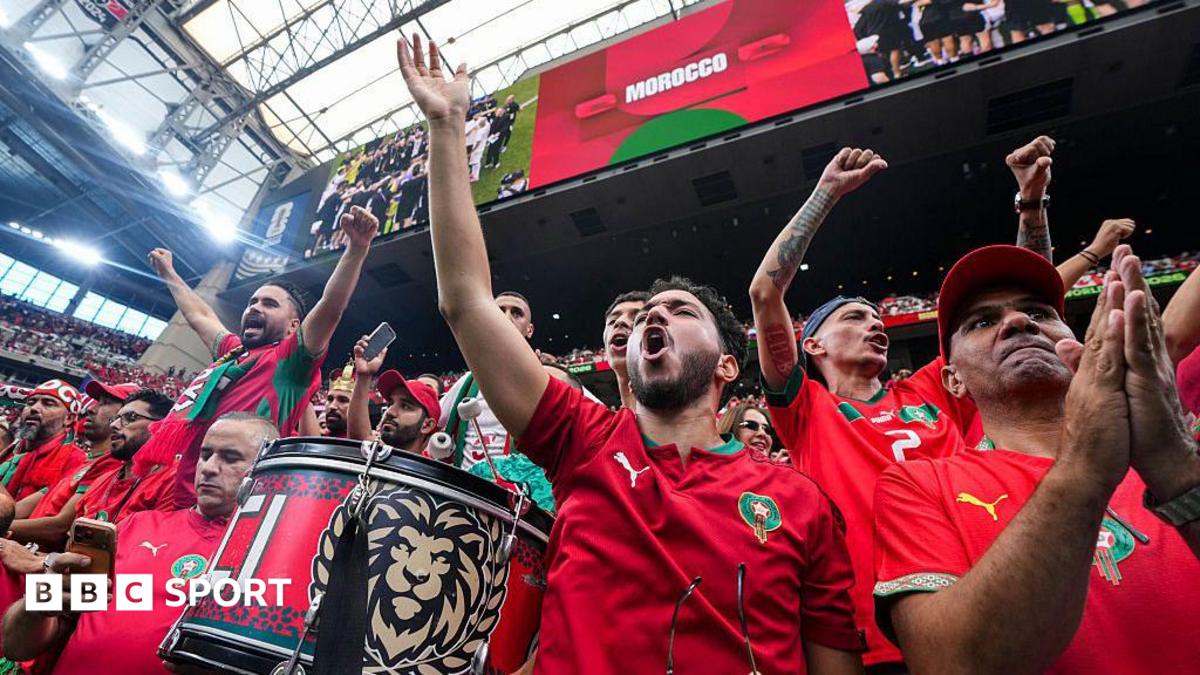
France vs Morocco isn't just another World Cup quarter-final. For many Moroccan fans, it's unfinished business.Four years ago, France ended Morocco's extraordinary World Cup run in Qatar, knocking out the first African and Arab nation ever to reach a World Cup semi-final.On Thursday in Boston they meet again, but this time Morocco aren't returning as football's dreamers.They're returning believing they belong."This is a revenge match for the Moroccan national team," says Moroccan sports journalist Hamza Shteiwy."Especially for the players who were part of that 2022 squad. They felt that loss deeply, and now they're looking to settle the score - for themselves and for the team."I still remember standing inside Al Bayt Stadium that night in Qatar. Even in defeat, there was a sense that something extraordinary had happened. Morocco had changed the way the football world saw them.Back then, simply reaching the semi-finals felt like a miracle.Today, reaching the semi-finals would simply meet expectations."In 2022 we were the dreamers," says Shteiwy. "Now people's expectations are much higher. Anything less than the semi-finals wouldn't be considered an achievement."That confidence isn't built on nostalgia.Since Qatar, Morocco's Under-20 side has won the Under-20 World Cup, the senior team has climbed to sixth in Fifa's rankings, and the Royal Moroccan Football Federation's (RMFF) long-term investment in youth development is beginning to bear fruit."What happened in Qatar wasn't a fluke," says veteran Moroccan journalist Hameed Bel Hassan."It was the result of years of strategic planning and programmes put in place by the Royal Moroccan Football Federation. This has been a national project. We now have a formidable national team."Morocco have looked every bit the solid contenders throughout this tournament, standing up to some of world football's heavyweights with confidence, discipline and belief. They held Brazil before beating Scotland, the Netherlands and Canada to set up another meeting with France."There's deep faith in this team," says Shteiwy."There are flights full of supporters coming from Morocco to the United States. Moroccans from around the world have travelled to follow the team. I dare say Morocco will have the stronger support."France, however, remain perhaps the tournament's most complete side.With Kylian Mbappe leading one of the world's most talented squads, Les Bleus have reached the quarter-finals playing some of the tournament's most fluid football."Individually they're stronger," Shteiwy admits."But Morocco's midfield is about equal. If they can press France early, like they did against Brazil, they can create problems. The 11 players just need to perform as one."But Morocco believe their strength extends beyond tactics.One of the more unusual features of the Atlas Lions' rise has been the prominent role of the players' mothers. During the 2022 World Cup, images of Achraf Hakimi embracing his mother and Sofiane Boufal dancing with his on the pitch became defining moments of Morocco's historic run. This tournament has produced more of those moments, including Ismael Saibari running straight into the stands to embrace his emotional mother after scoring the winning penalty against the Netherlands.When the team returned home from Qatar, the players and their mothers were welcomed together by King Mohammed VI.Far from being spontaneous celebrations, Morocco's football leadership say those moments reflect a deliberate philosophy.RMFF president Fouzi Lekjaa has described having players' mothers present during major tournaments as "one of the most effective and positive psychological support strategies" adopted by the federation, saying it gave the players "real impetus"."When the player sees his mother in the stands, it's a huge boost and motivation," says Bel Hassan. "The players themselves have spoken about how supported they feel."A mother's prayer, nothing really comes close," he added.That emphasis on family, belief and emotional resilience has become part of Morocco's identity, alongside years of investment in youth development, infrastructure and a clear footballing vision.

Most Popular