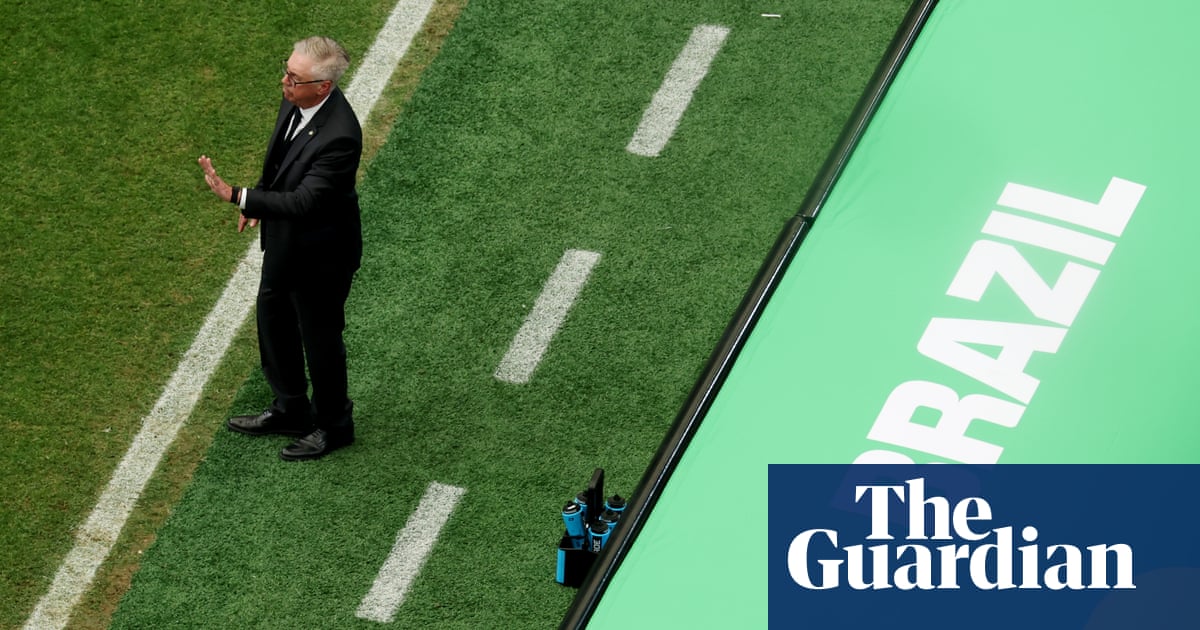
Cape Verde and the death of football snobbery

A strange thing happened in Miami.Argentina won. Yet millions of people were left talking about Cape Verde instead.For decades, football has trained us to think before we watch. We compare Fifa rankings, transfer values, club badges and league strength.We measure history before we measure performance. We decide who belongs long before the match begins.Cape Verde arrived with almost none of the things football traditionally respects.A nation of barely 525,000 people. Players from the second, third and fourth tiers of European football. A 40-year-old goalkeeper without a club.Argentina had everything else.Then the whistle blew. And something fascinating happened.Football snobbery lasted exactly until kick-off. After that, only football mattered.Within half an hour, nobody cared where Cape Verde’s players earned their wages.Nobody cared about market values or famous shirts. Nobody was comparing club careers.People were simply watching a team that could play. That is why this story spread far beyond football.The clues were everywhere.Exhibit A: Millions of neutral supporters found themselves urging Cape Verde forward in extra time.Why?Most had predicted an Argentina victory. Many admired Messi. Yet suddenly they wanted one more Cape Verde equaliser.Not because they disliked Argentina but because people do not fall in love with hierarchy. They fall in love with possibility.The impossible had become believable.Exhibit B: The losing team became the story of the tournament. That almost never happens.Winning normally controls the narrative. This time, defeat did.Cape Verde did not leave with a place in the last 16. They left with football’s imagination.That is a rarer achievement.Exhibit C: Football stopped checking credentials.Cape Verde did not spend the evening surviving behind the ball. They chased Argentina like a dog chasing an especially juicy-looking bone.They pressed high, recovered from falling behind twice and kept asking questions of the world champions.Underdogs usually seek permission to compete. Cape Verde behaved as though permission had never been required.That confidence changed everything.Why we fell for Cape VerdeIt also explains why supporters connected with them so quickly.Modern football often feels polished to perfection. Every interview sounds familiar. Every celebration is captured with one eye on the camera. Every answer seems carefully prepared.Cape Verde looked wonderfully unfiltered.Vozinha celebrated every save as though his country’s future depended on it. Sidny Lopes Cabral’s magnificent equaliser produced pure, uncontrolled joy. Their tears at the final whistle carried no concern for appearances.Nothing felt manufactured.Authenticity has become football’s newest superpower because it has become so rare.A bigger victoryIronically, Cape Verde also delivered the strongest defence yet of the expanded 48-team World Cup.Before the tournament, critics warned that more places would produce weaker teams and forgettable matches.Without expansion, there is no Cape Verde. There is no draw with the European champions Spain, and Uruguay. No unforgettable night against Argentina, the reigning World Cup holders.No Cabral wonder goal. No Vozinha. No story that united football supporters across continents.The tournament did not become weaker because the door opened wider. It became richer.The irony is impossible to ignore.For one extraordinary night, football stopped asking, “Who are they?” and started asking, “How are they doing this?”Argentina advanced. Cape Verde became immortal.Years from now, many supporters will struggle to remember the route Argentina took through the knockout rounds. They will remember the tiny island nation that came within minutes of taking the world champions to penalties.That is the power of changing belief.Cape Verde did not destroy football’s hierarchy. Argentina still stand, and rightly so.What they destroyed was the illusion that hierarchy deserves our unquestioning reverence.There is a difference.One is earned every weekend. The other exists only in our heads.

Most Popular
World Cup 2026: England v Mexico
9 hours ago