
A money machine and Morocco on the rise: what we learned from Fifa congress
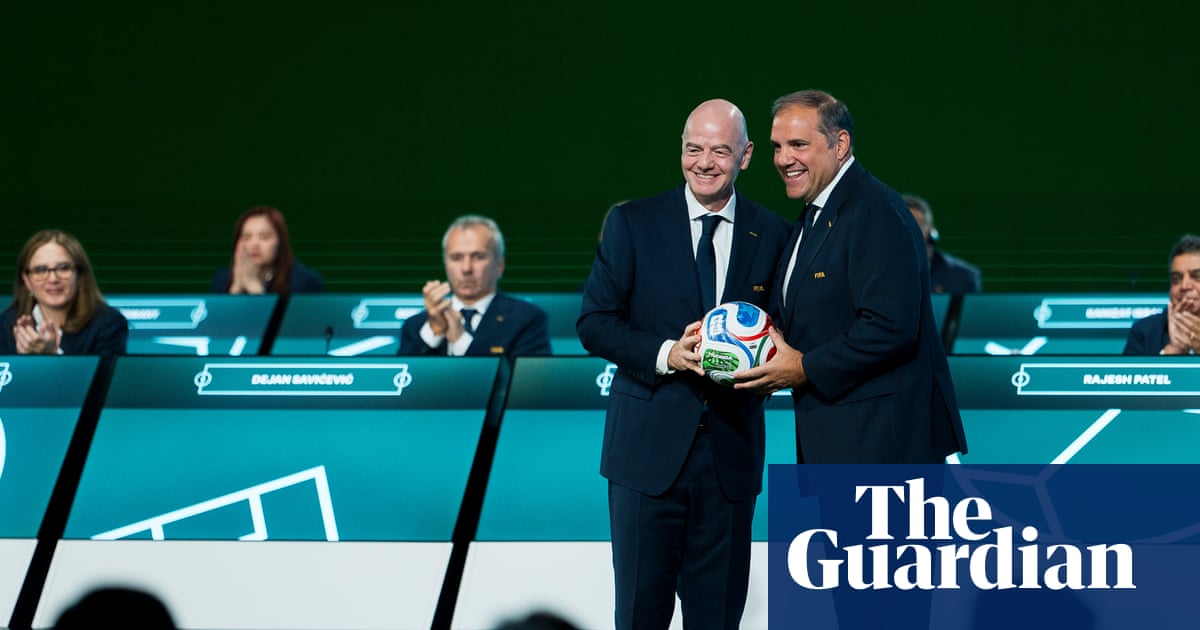
Gianni Infantino’s final words of the 76th Fifa congress were the least surprising of an otherwise intriguing week.“I wanted you to be the first to know,” the Fifa president said with a straight face of his decision to seek re-election next year, which has been an open secret since before his previous victory in 2023, as Fifa’s statutes were altered to permit such an outcome a few months earlier. (Having introduced a three-term limit after Infantino replaced Sepp Blatter in 2016, Fifa’s governance, audit and compliance committee ruled in December 2022 that his first 39 months in office did not count, as he was completing his disgraced predecessor’s term).In reality Infantino’s re-election will be a coronation, as he has already received the public endorsement of the African, Asian and South American confederations, meaning 111 of 211 potential votes are already in the bag. As with the 2019 and 2023 presidential contests, therefore, Infantino will be elected unopposed, and there was not even the merest suggestion in Vancouver of anyone taking what would be a futile stand against him. Beyond the congress hall however, there were plenty of other significant developments as football’s rulers met for the last time before next month’s World Cup.Bumper financesA significant clue as to how Infantino can count on the backing of more than half of Fifa’s 211 members before he has even announced his candidacy came earlier in his speech to congress, when he announced Fifa’s forecast revenues for the 2027-2030 cycle had increased to $14bn (£10.3bn), before promising to do “much, much better.”As a result he pledged that Fifa’s financial distribution to the federations would increase by 20% over the next four years to a minimum of $2.7bn, continuing a theme of a week that had begun with the Fifa council agreeing to increase its payments to the 48 World Cup teams by at least $2m after lobbying by Uefa. “Fifa’s money is your money,” Infantino said, with most of his audience lapping it up.Infantino’s claim last month that “there would be no football in 150 countries in the world” without Fifa’s largesse is strongly contested, but there is no doubt that such funding is highly effective in buttressing his power.Naive statesmanFor a man who has spent the last decade successfully getting close to the most powerful men in the world – Vladimir Putin, Mohammed bin Salman and Donald Trump – Infantino’s bungled attempt to engineer a handshake between the Palestinian and Israeli delegates at congress was a remarkable misstep.The Palestinian Football Association’s president, Jibril Rajoub, refused to take the stage alongside Basim Sheikh Suliman, the Israeli FA’s vice-president, despite repeated and increasingly desperate entreaties from Infantino.There is a curious mixture of cynicism – seeking to reduce a decades-long conflict to a photo opportunity – and naivety about Infantino, who seems to genuinely believe in his oft-repeated maxim, that football can unite the world.Fifa mission creepJust as Infantino appears to view himself as a global statesman, the organisation he leads is increasingly involving itself in issues that previously did not concern it.A number of announcements from the Fifa council on Tuesday provided a case in point, with the world governing body pushing through a number of law changes, including a directive to referees that any players who cover their mouths while speaking to opponents or who leave the pitch should receive automatic red cards at the World Cup.While those developments were expected, as Infantino has championed them for months, the announcement of a consultation process for a new regulation that would compel clubs to have one homegrown under-21 player on the pitch at all times was a surprise.Fifa sources claimed that Uefa’s president, Aleksander Ceferin, was behind the idea that emerged after a meeting with the five other confederation leaders, although that was disputed by those close to the Slovene.What is not in doubt is that the proposal will be strongly opposed by the clubs, who are already discussing the possibility of mounting a legal challenge should Fifa opt to introduce it. Given Fifa is already facing legal action from the lobby group World Leagues and the global players’ union, Fifpro, its willingness to invite another row was unexpected.Controversial calendar issues pausedFifa also confirmed that the next men’s Africa Cup of Nations will take place in the summer of 2027, but beyond that there was little discussion over agreeing the international match calendar beyond 2030, the next big issue that will divide the sport.The timing of the 2034 World Cup in Saudi Arabia will be the key, with the start of the year in January and February the favourite slot, although that will involve more conflict with World Leagues and Fifpro.Beyond that there will also be disputes over the timing and size of the next Club World Cup, with an expansion to 48 teams and creation of a preliminary tournament expected as a means of taking Fifa’s revenues beyond $14bn.While the clubs and leagues are seeking answers, Infantino appears to be delaying the debate until after next year’s election.Europe on the marginsThere was no repeat of the remarkable scenes which meant representatives from several European countries staged a walkout at last year’s congress in Paraguay in protest at Infantino’s late arrival, with Uefa members very much on the periphery.The announcement that next year’s congress – and Infantino’s re-election – will take place in the Moroccan capital of Rabat provided another indication of the new world order, as Fifa’s big annual shindig has not taken place in Europe since Paris in 2019. (Two “virtual” events were held from Zurich in 2020 and 2021 due to the Covid-19 pandemic.)Following a run of events in Qatar, Rwanda, Thailand, Paraguay and Canada it was very much Europe’s turn, but after the Trump love-in, Infantino’s next diplomatic target is the king of Morocco, Mohammed VI, as his country is staging the 2030 World Cup along with Spain and Portugal.Beyond 2031Although Infantino inevitably attracted most attention, of more long-term significance may have been a speech from the Concacaf president, Victor Montagliani.Speaking in his home city, the Canadian emphasised that Fifa’s priority should be service rather than power, a noticeable counterpoint to Infantino’s focus on revenue and distribution.While he has yet to commit to running, Montagliani is widely seen as a credible candidate should a genuinely open presidential election take place in 2031, although there have also been murmurings that Fifa’s statutes could be altered yet again to permit Infantino a fourth full term.
.png)
Most Popular



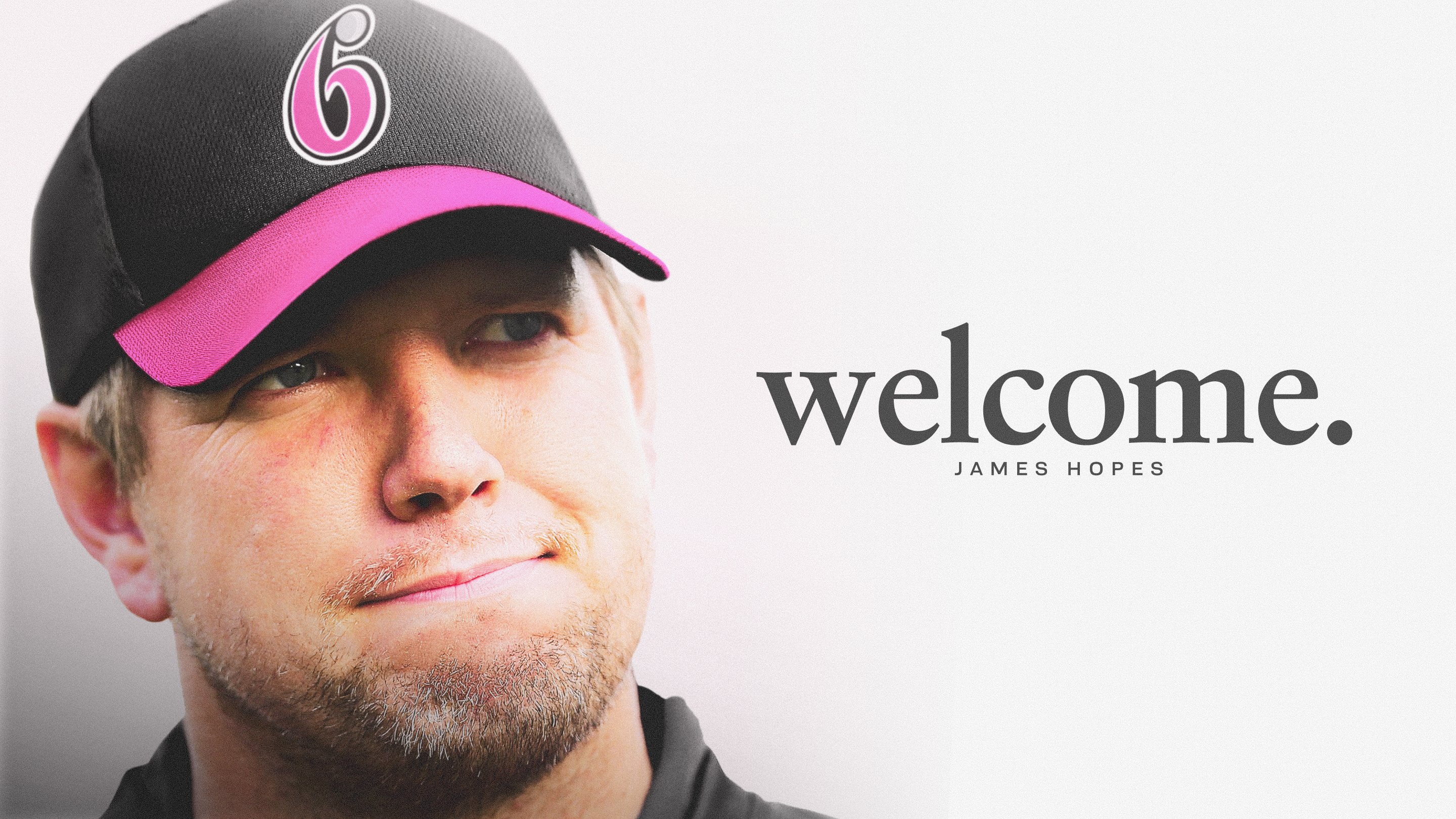
Sixers appoint James Hopes as new BBL Head Coach
4 hours ago

Sri Lanka to tour WI after five years
4 hours ago