
The ₹12.12 crore hole: How Sanju Samson and Ruturaj Gaikwad are sinking CSK's balance sheet in IPL 2026

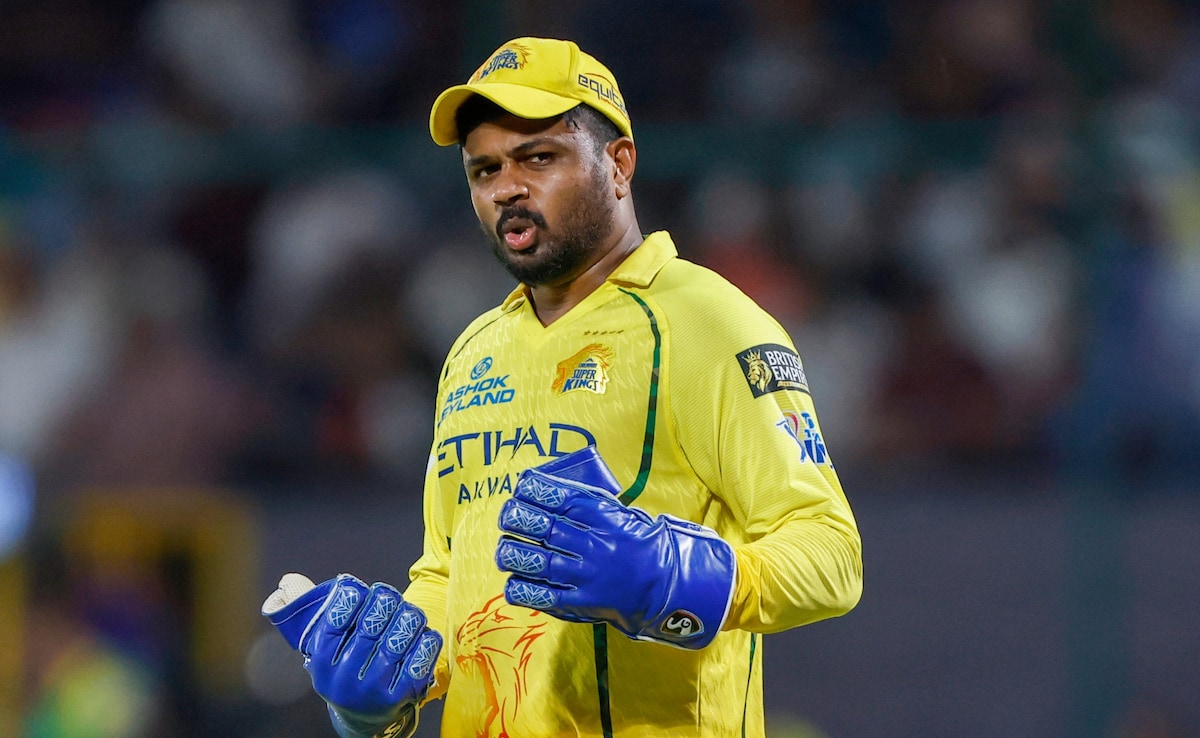
Chennai Super Kings are seventh after match 27 in IPL 2026, two wins from six games. Their latest lossagainst Sunrisers Hyderabad was the sort that sharpens scrutiny of a batting unit. CSK were 84 runs away from victory off 60 balls with seven wickets in hand, yet still lost by 10 runs. It was the kind of chase that was within reach but slipped away.The current CSK batting unit is suffering from a specific structural problem. Two players who are expected to be the pillars of this batting order, Sanju Samson and Ruturaj Gaikwad, are not just underperforming in isolation. In our monetary model, they are creating the core of CSK’s batting-side financial damage in the season.The scale is hard to ignore. Sanju Samson’s season balance sheet after six matches stands at ₹2.51 crore in total match worth and ₹5.19 crore in rolling loss. Ruturaj Gaikwad’s stands at ₹78.70 lakh in total match worth and ₹6.92 crore in rolling loss. Put together and the pair has generated ₹3.30 crore of total worth while causing a combined ₹12.12 crore loss.That number seems even bigger when placed beside the team sheet. CSK’s total rolling balance after match 27 is - ₹4.52 crore. In other words, Samson and Gaikwad alone are responsible for a deficit worth 2.68 times CSK’s overall team loss. The only reason the team sheet is not even uglier is that several low-cost or lower-expectation contributors have been returning value elsewhere.Instead, the returns have been thin and erratic:Ruturaj Gaikwad is obviously the sharper problem. Across six matches, his best single-match worth is only ₹38.82 lakh. His total season match worth is ₹78.70 lakh. His average normalised impact in the tournament, according to our method, is 7.98. That is not the output expected from a pillar. That is a sequence of small, unstable returns from a player priced and positioned to carry innings.Sanju’s profile is different, but not automatically better. He has at least produced a genuine match-winning spike. Against the Delhi Capitals, he made 115 not out off 56 deliveries, and drove CSK to 212/2, while Ruturaj managed a second fiddle with 15 off 18.Sanju Samson generated ₹1.61 crore and a profit in that match. But that one explosion also hides the broader pattern. His impacts in the other matches (by our method) are -0.00, 0.39, 0, 62.54, and 4.86. He has had two high-return matches and four low ones. That is still a premium asset spending too much time underwater.While it may seem that way, it is not the story of the whole side failing together. It is a case of two expected pillars dragging down the batting unit's performance and economics, while the rest of the side tries to cover the leak.Jamie Overton ( ₹3.96 crore), Ayush Mhatre ( ₹3.82 crore), Sarfaraz Khan ( ₹3.82 crore), and Anshul Kamboj ( ₹2.94 crore) have all been major positives. Ayush and Sarfaraz, in particular, underline the contrast. Neither came into the season carrying the same burden of expectation as Samson or Ruturaj, yet both have produced stronger season scores and better balance-sheet outcomes.That turns the CSK conversation on its head. The problem is not a lack of effort across the squad. The problem is that support pieces are being asked to overcompensate for two names who were supposed to set the batting floor themselves.Ruturaj’s sheet is the harsher indictment because it lacks even one major corrective performance. Sanju’s sheet is more deceptive because a hundred can bend public perception. But in value terms, one standout innings does not repair a season if four other games are burning cash and surrendering control.That is why the SRH defeat matters beyond one result. CSK were deep enough into the chase to own it. Instead, the innings broke in the stretch where established batters are supposed to calm the game.For a team sitting seventh after six games, that pattern is no longer noise. It is a trend, and it is very blunt. CSK’s bargain or secondary pieces are keeping the books alive. The expensive batting pillars are not holding their end.And that is actually the real cost. Not just lost money in a performance model. Lost stability in a season.At the base level, each player’s match contribution is built from a normalised monetary impact score. That normalised impact is the sum of batting score, bowling score, fielding score, captaincy bonus, manual rating bonus, and synergy bonus. From there, the model records a match value in lakhs for that performance, then subtracts a dynamic cost allocation to arrive at each player’s rolling profit/loss.The rolling per-match cost (in lakh) is calculated as: (price in crore × 100) / rolling cost denominatorThat denominator is tied to a rolling estimate of total appearances, which uses prior appearances, the current appearance, and expected future matches. In plain English, the model spreads a player’s auction or retention price across an expected season-usage curve rather than charging the full value blindly match by match.The profit/loss layer then becomes: rolling profit/loss = match worth - rolling per-match costThat is why a player can score some runs and still post a negative return. The innings has to clear the cost threshold implied by his price and expected usage.Normalised impact tells you how strong the actual cricket contribution was in the model.


Most Popular





Impact Sub reduced to survival tool for DC
5 hours ago