Emma Raducanu Returns to Clay at Strasbourg After Illness
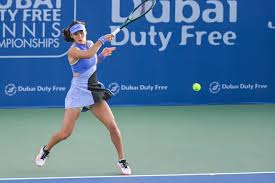
Former US Open champion Emma Raducanu is poised to make her highly anticipated return to competitive tennis at the Internationaux de Strasbourg. Following a grueling two-month absence mandated by a severe post-viral illness, the 23-year-old British star has accepted a wildcard entry into the WTA 500 event. The tournament, which commences in mid-May 2026, serves as a crucial testing ground just days ahead of the French Open at Roland Garros.The stakes for Raducanu are uncomfortably high. Currently languishing at number 30 in the WTA rankings following her extended hiatus, she will enter both Strasbourg and Paris unseeded. This leaves her highly vulnerable to drawing top-tier opponents in the opening rounds. The upcoming week on the red clay of the Grand Est region is less about securing a trophy and more about verifying her physical endurance on the tour's most demanding surface.A Season Derailed by InfectionRaducanu's 2026 campaign has been characterized by frustrating medical setbacks rather than on-court triumphs. The complications began in February during her run at the Transylvania Open, where she suffered a heavy 6-2, 6-0 defeat to Sorana Cirstea in the final while battling a viral infection. Attempting to play through the illness proved disastrous.At the subsequent Qatar Open, she was forced to retire from her opening match against Camila Osorio. Despite a brief appearance at Indian Wells in early March, where she defeated Anastasia Zakharova before falling to Amanda Anisimova in the round of 32, the post-viral fatigue became overwhelming. The exhaustion forced her to withdraw from consecutive high-profile tournaments in Miami, Linz, Madrid, and finally, the Italian Open.The Roman WithdrawalThe depth of Raducanu's physical struggles was starkly illuminated during her brief stint in Rome earlier this month. Having travelled to the Italian capital, she completed practice sessions at the Foro Italico and even addressed the media, expressing cautious optimism. "I think I've really turned a corner and I feel so much better. I feel great on the court," she told reporters.However, less than an hour after projecting confidence to the global press, her team announced her withdrawal from the tournament. Raducanu later elaborated on the decision, revealing the true toll of the infection. "I had six weeks almost of doing nothing just trying to recover from the virus, and it takes a lot out of you physically," she conceded. The abrupt exit sparked intense speculation regarding her readiness for the brutal physical demands of best-of-three-set tennis on European clay.The Strategic Importance of StrasbourgBy electing to compete in Strasbourg, Raducanu's management team is executing a calculated gamble. The Internationaux de Strasbourg is renowned for its slow, heavy clay courts—conditions that mirror the upcoming battles in Paris. Her inclusion in the main draw places her alongside established competitors such as Madison Keys, Ekaterina Alexandrova, and Leylah Fernandez.Ranking Repercussions: Unseeded at No. 30, Raducanu risks an early exit against top-10 opposition at the French Open if she cannot secure ranking points.Coaching Void: She currently travels without a permanent full-time head coach following her split from Francisco Roig after the Australian Open. Jane O'Donoghue, a former coach and trusted confidante, has been assisting her on a temporary basis.Historical Precedent: Raducanu utilized a Strasbourg wildcard in 2025, securing an impressive first-round victory over sixth seed Daria Kasatkina before falling to Danielle Collins.Physical Milestones: Success in Strasbourg will be measured in minutes spent on court and the absence of fatigue relapses, rather than match victories.For Kenyan tennis enthusiasts and global fans alike, Raducanu's trajectory serves as a stark reminder of the fragile nature of elite athletic performance. The transition from hardcourt dominance to clay-court survival requires immense physical conditioning, a factor severely compromised by her six-week period of total inactivity.Voices From the BaselineSports medical experts note that post-viral fatigue syndrome is particularly devastating for elite tennis players. The explosive lateral movements and sustained aerobic output required on clay demand absolute peak respiratory and muscular efficiency. Any lingering mitochondrial dysfunction from the virus can result in rapid exhaustion during extended rallies.Despite the challenges, Raducanu maintains a philosophical outlook regarding her recovery. "I'm feeling in a better place – not 100% – and I feel like I have got a great purpose and a way about how I am approaching things right now," she stated prior to her Strasbourg arrival. The British number one is navigating the complex intersection of immense public expectation and harsh physiological reality.As the clay dust settles in Strasbourg, the tennis world watches with bated breath. Will the prodigy who stunned New York in 2021 finally command her body's full cooperation, or will the red dirt of France expose the lingering ghosts of her viral collapse? The answers will emerge one baseline exchange at a time.


Most Popular