Naomi Osaka, Aryna Sabalenka to play first French Open women’s match in night session since 2023

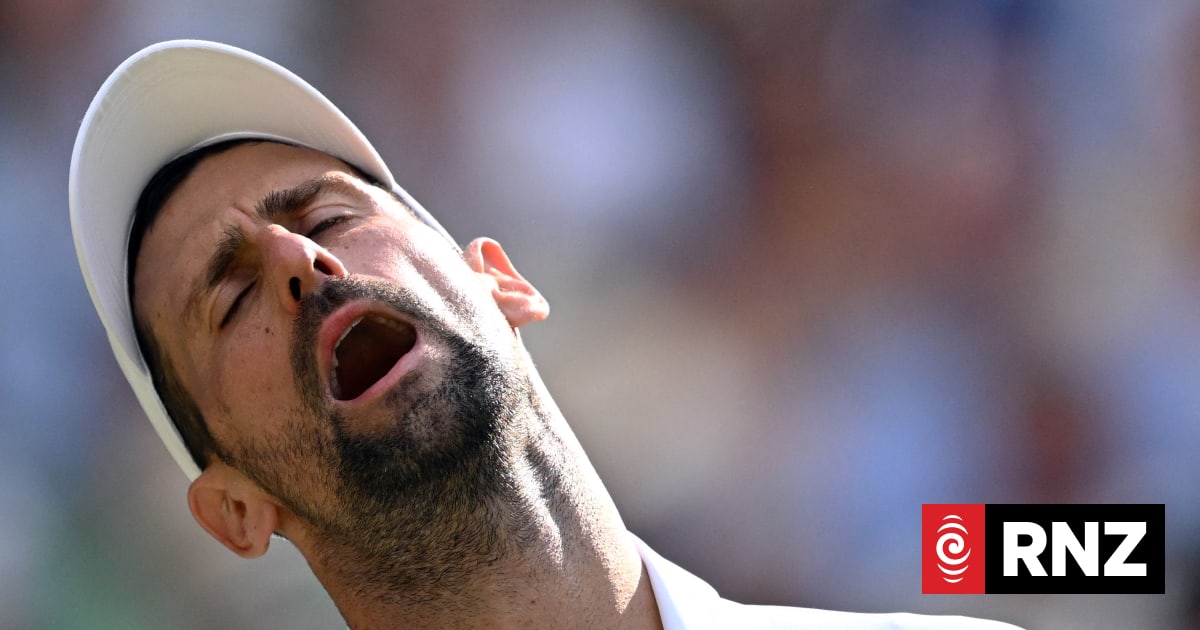
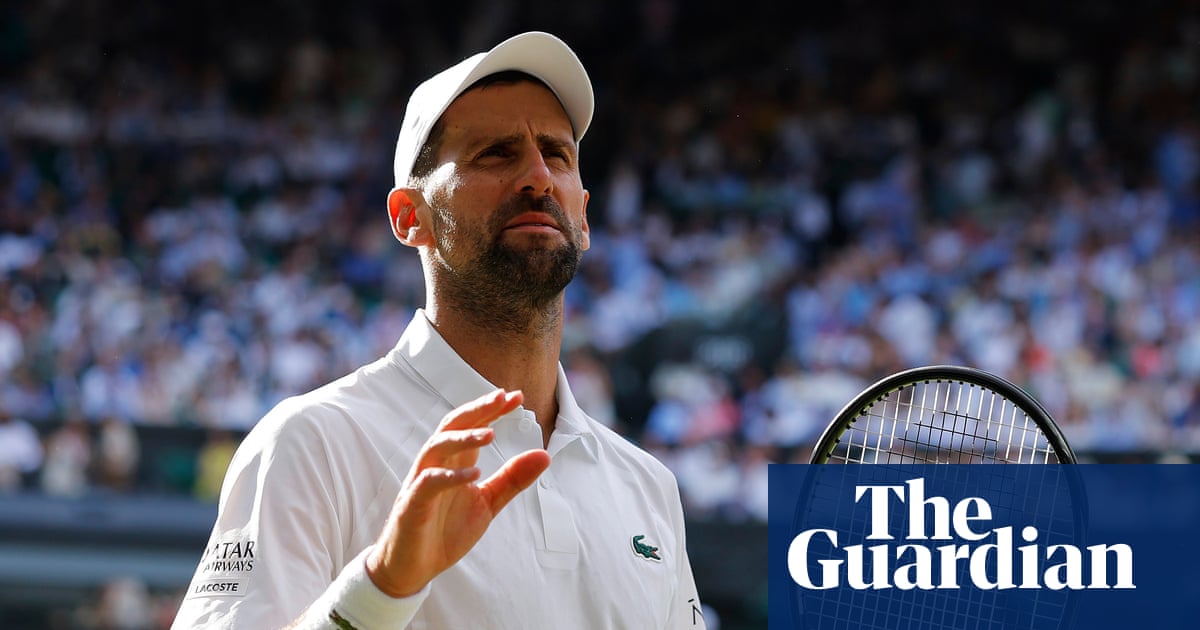
Follow The Athletic’s live coverage from Day 9 of the French Open.PARIS — For the first time since 2023, and for the fifth time in five years, the French Open has scheduled a women’s match at night.Naomi Osaka, the four-time Grand Slam champion, will take on world No. 1 Aryna Sabalenka, in a heavyweight duel between two of the biggest stars the sport has produced this decade.The move comes amid wholesale carnage in the men’s draw, and years of resistance from the French Tennis Federation (FFT) and tournament organizers. Amélie Mauresmo, the former world No. 1 who serves as the tournament director, two years ago said that women’s tennis was not as “attractive” as men’s tennis. Last year, she and Gilles Morreton, the FFT president, said that the absence of women’s matches is about quantity, not quality, with fears of spectators paying for a short and one-sided match.Since 2023, and even since 2021, when the night session was first introduced and Iga Świątek and Marta Kostyuk played in front of empty stands due to Covid-19 restrictions, organizers have suggested through their words and their actions that it would require special circumstances for women to fill the bill on what is supposed to be the marquee match of the day for the French audience. Last year, they were accused of denying a request from Amazon Prime, the rightsholder for the night session, to put wild card Loïs Boisson’s quarterfinal against top-5 player Jessica Pegula in the slot.Before this year’s tournament, Valerie Camillio, the new chair at the WTA, the women’s tour, met with Mauresmo to lobby on behalf of female players to get the nighttime assignment, though not all the players will be pleased by that.Special circumstances have certainly arisen at the 2026 French Open. The biggest stars in the men’s game — Carlos Alcaraz, Jannik Sinner, and Novak Djokovic — are no longer in the tournament.Alcaraz never made it to the start, as he is sidelined with an ailing wrist, while Sinner lost in the second round and Djokovic lost a day later in the third round.All three have regularly filled the night session in recent years, but they have ceased to be an option. Also, there are no more French men in the tournament. Moïse Kouame, a breakout 17-year-old star, lost in the third round.When organizers looked at the the potential match-ups to put in the featured slot, the only Grand Slam champions to choose from were women: Sabalenka, Osaka and Madison Keys. The only players to reach the pinnacle of the sport and hold the No. 1 ranking were Sabalenka and Osaka.The move will test Mauresmo’s suggestion that the French audience may not find a women’s match, which is best-of-three sets rather than best-of-five, providing enough value for a single ticket. It also questions how far the tournament’s decision was driven by external circumstances, as opposed to platform Sabalenka and Osaka’s match.Women’s matches can occasionally end in a little more than an hour, especially when Sabalenka is playing. Mauresmo has said previously that scheduling a doubles match after was not an option organizers were considering.Sabalena and Osaka played in April in Madrid. Sabalenka won in three sets. The match lasted two hours and 20 minutes.‘They have to play good tennis and be brilliant entertainers’Analysis from senior tennis writer Ava WallaceHad the French Tennis Federation chosen a men’s match for the night session Monday, at least there would be an argument that it had stuck to its beliefs: the problem is one of quantity, not quality.Now the FFT has selected Aryna Sabalenka and Naomi Osaka for the honor of playing the first women’s night match since 2023 — after all the male frontrunners have been knocked out, it feels like an act of surrender. Roland Garros views two multiple-time Grand Slam champions as the backup option.At least Sabalenka and Osaka are equipped to handle the pressure that the rarity of this event inherently creates. When women have such scant chances to prove their matches are “worthy” of a night session match, the FFT can say anything other than a three-set epic proves their point. Until women’s night matches are a regular occurrence, they don’t get the luxury of just letting the match unfold — they have to play good tennis and be brilliant entertainers.The men’s matches in the slot this year have varied from short and sharp (Alexander Zverev’s one-hour-and-48-minute defeat of Tomás Macháč) to long and clunky (Félix Auger-Aliassime’s three-hour-and-48-minute win over Brandon Nakashima). Only Gaël Monfils’ final French Open stand was a true blockbuster.Many of the top women’s players prefer to play during the day, and some have criticized the unequal system despite those preferences. But what the players want seems beside the point in this case. Players are allowed to want to play at a time slot that maximizes their chances for winning; pushing for scheduling that benefits the women’s tour shouldn’t have to be their burden to bear during a Grand Slam. As much sway as top players have over their match times, they still occasionally have to compete in unideal windows.Ultimately, players shouldn’t have to push for more equal scheduling. A Grand Slam, which awards the same prize money to its men’s and women’s champion, and which has this week condemned a male player’s sexist comments about a female umpire, can treat its men’s and women’s players equally without having to be asked.
Most Popular